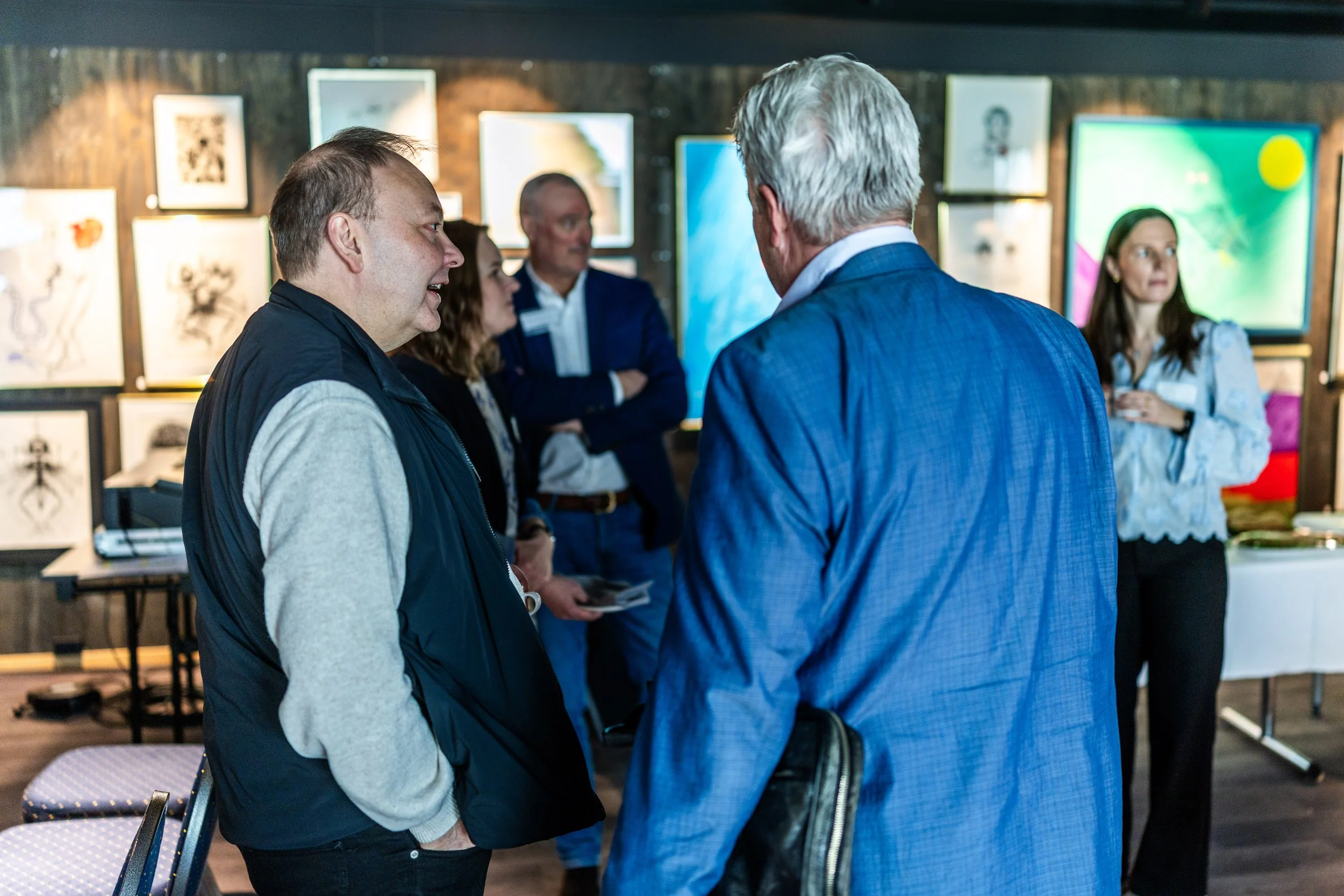
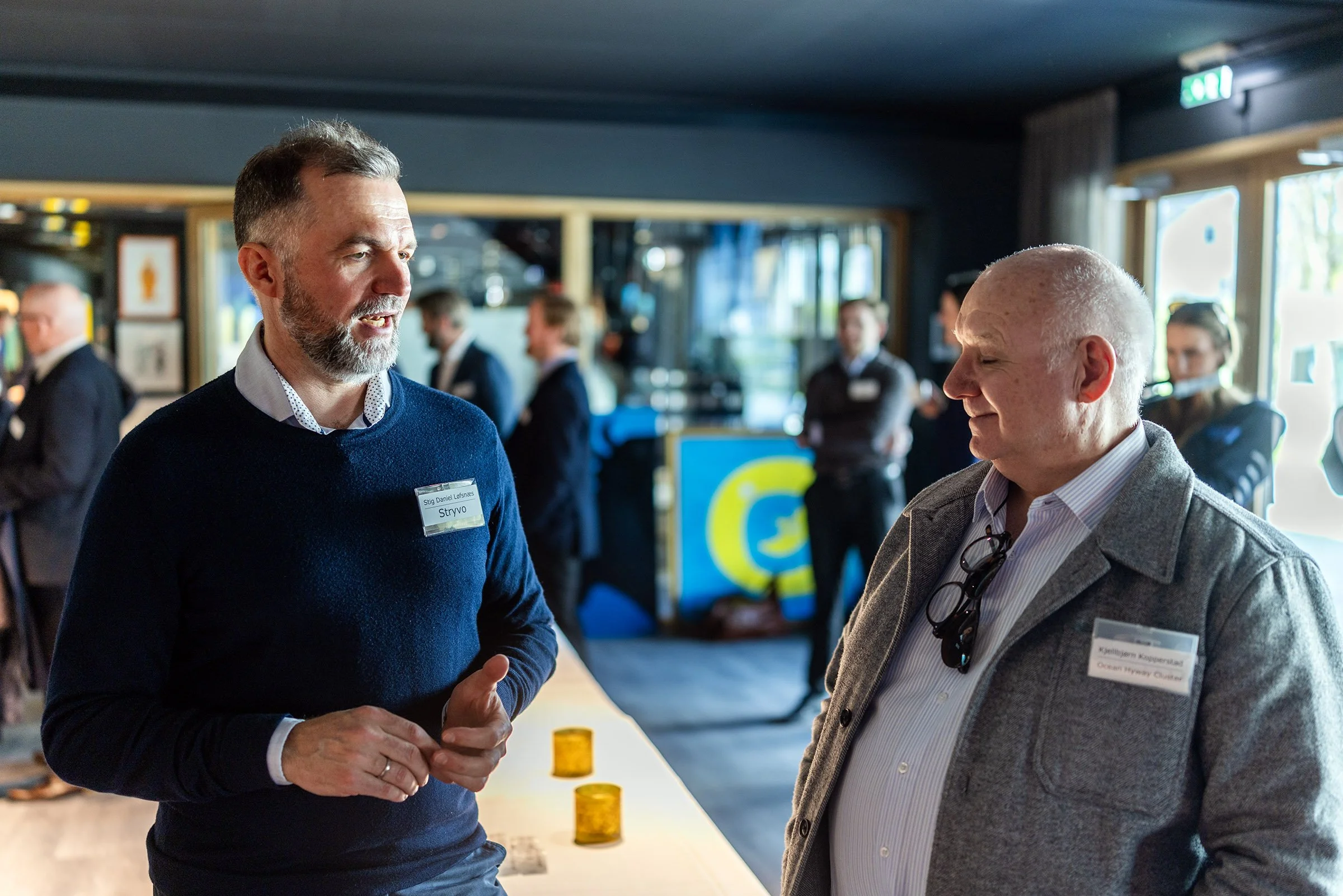
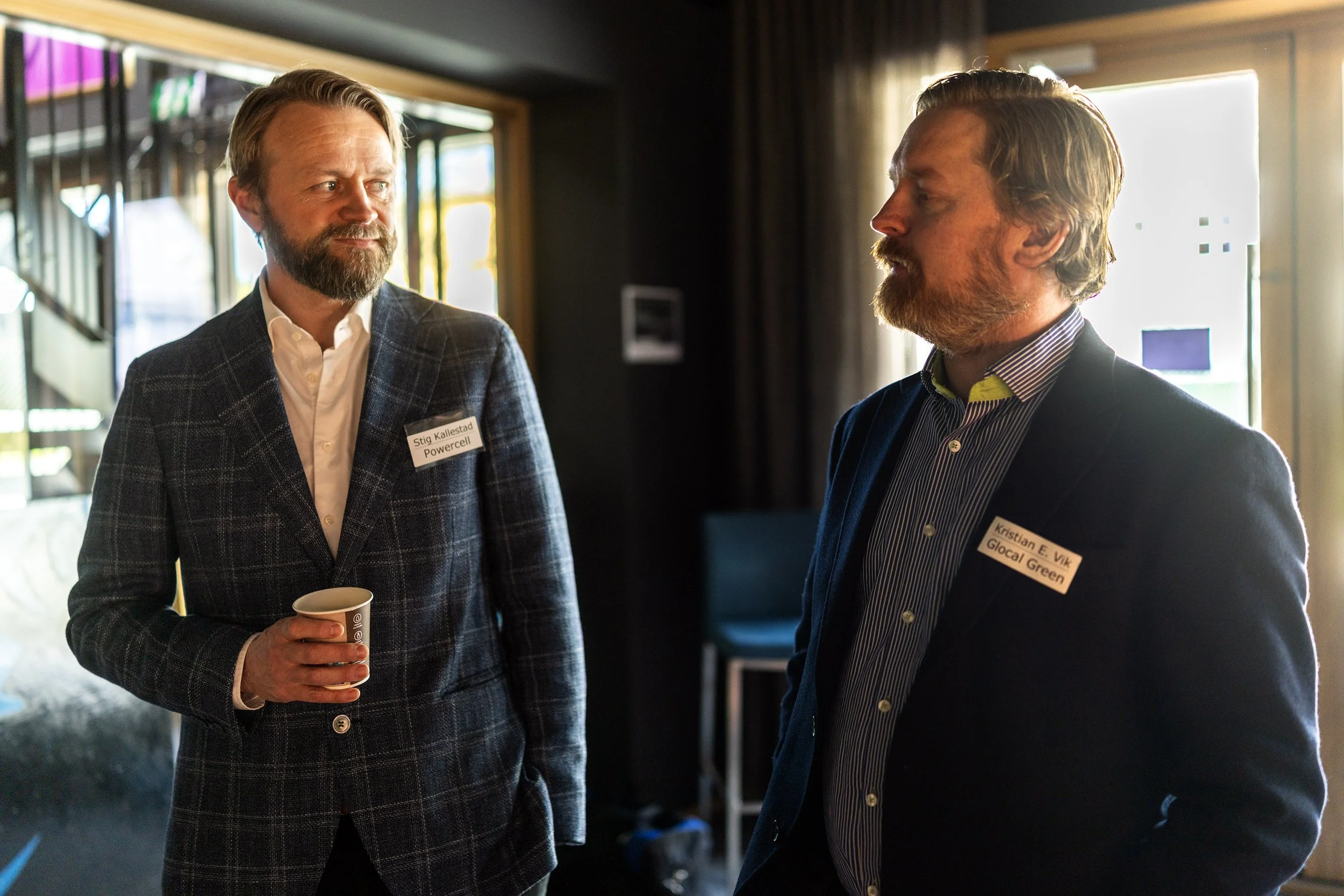
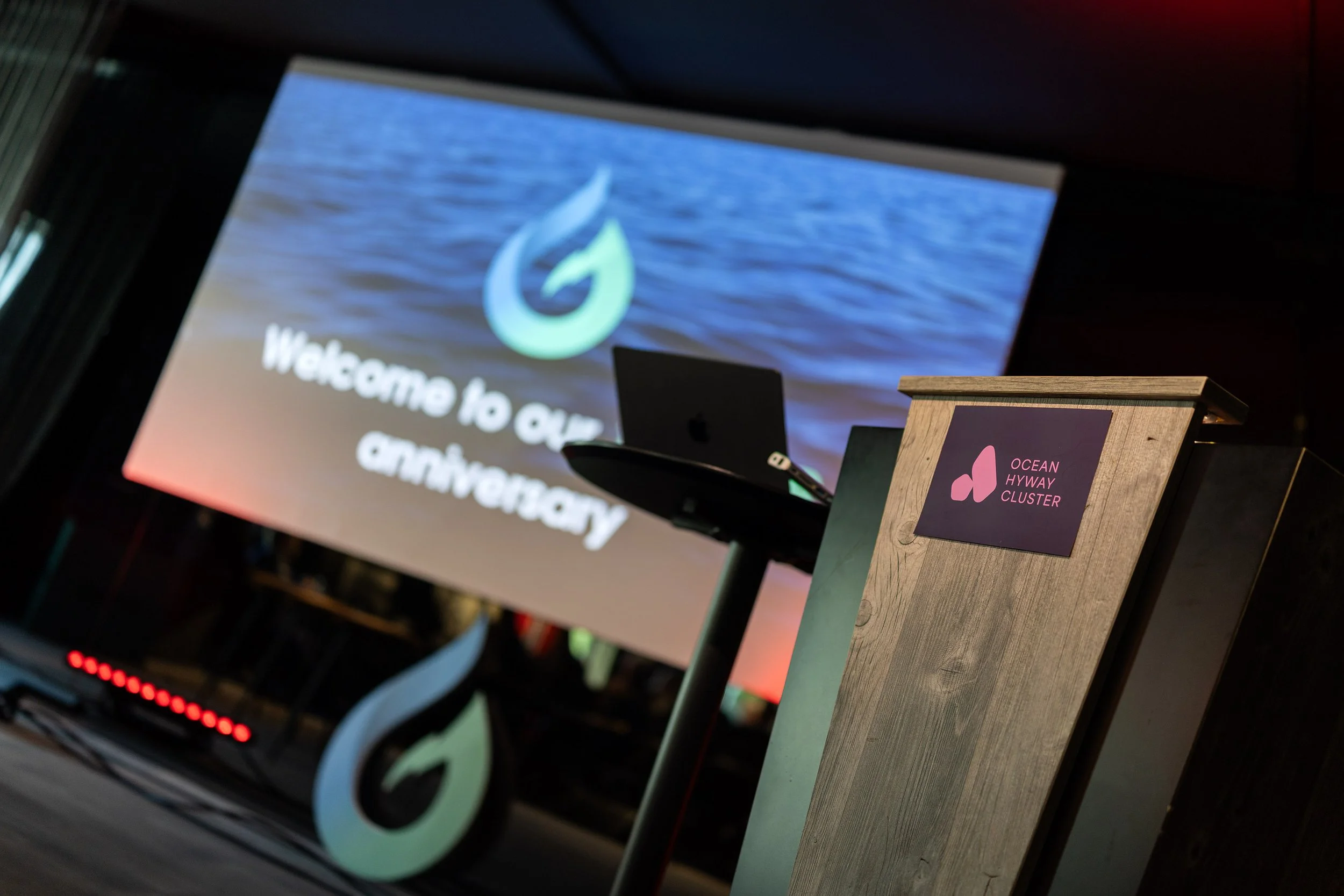
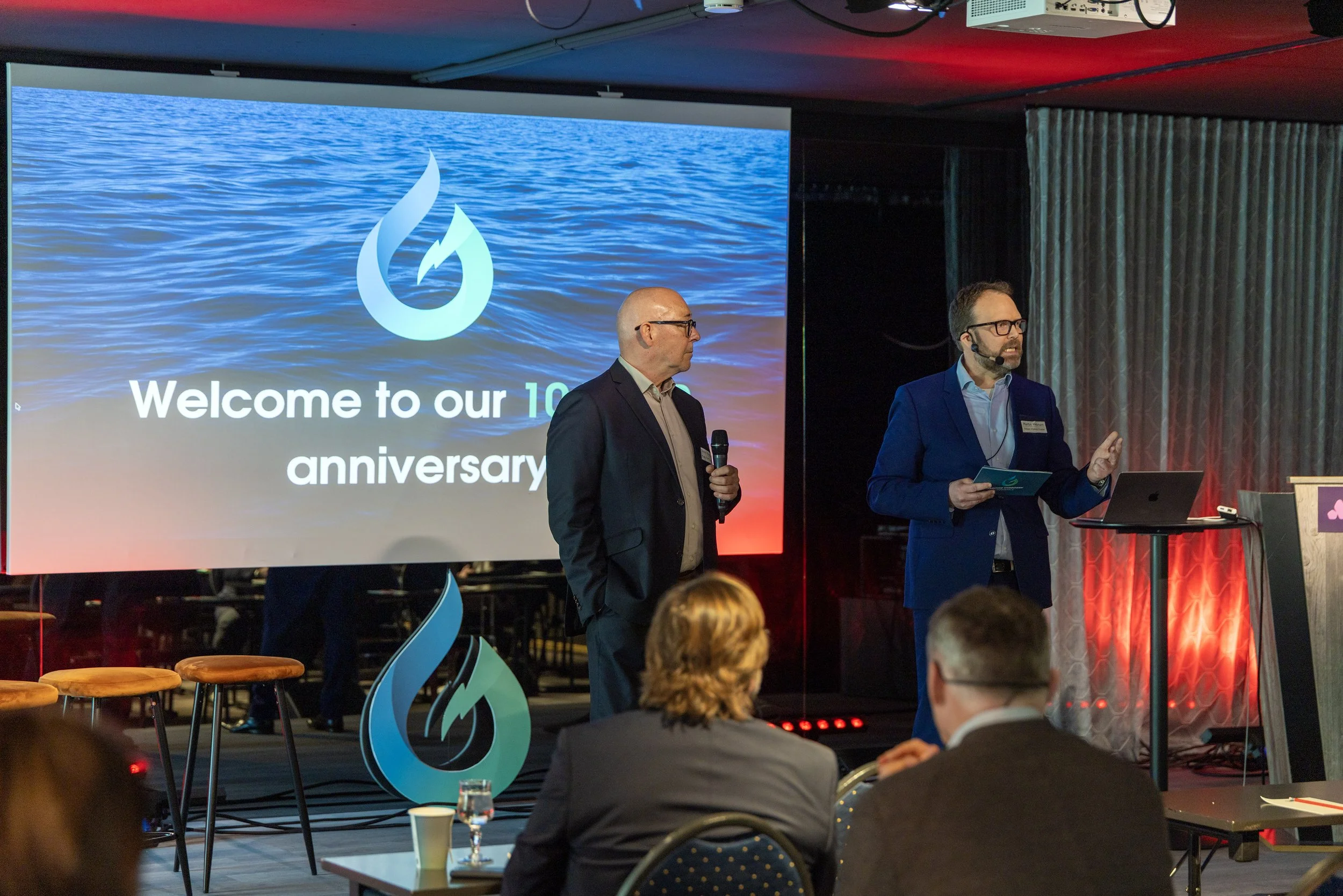
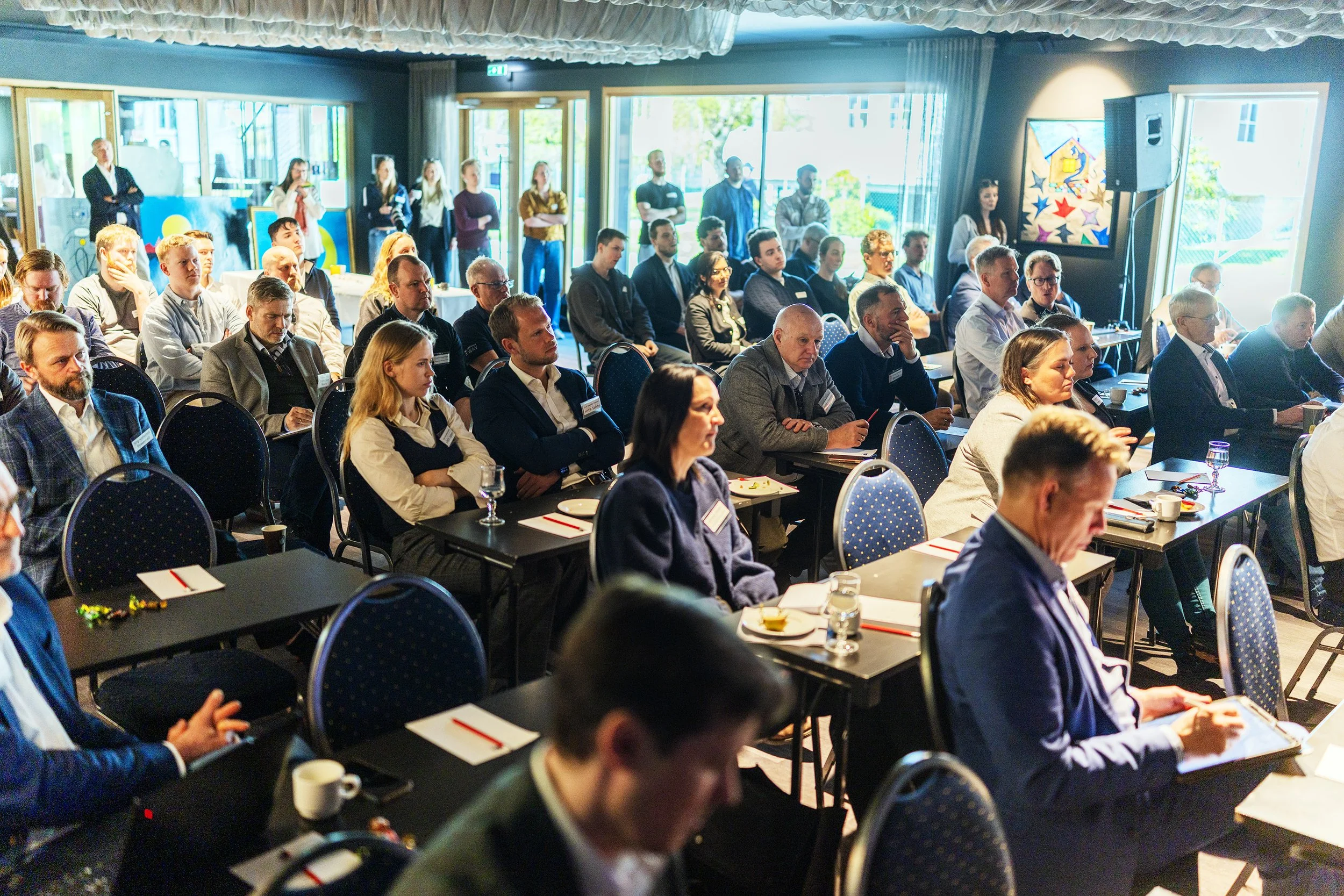
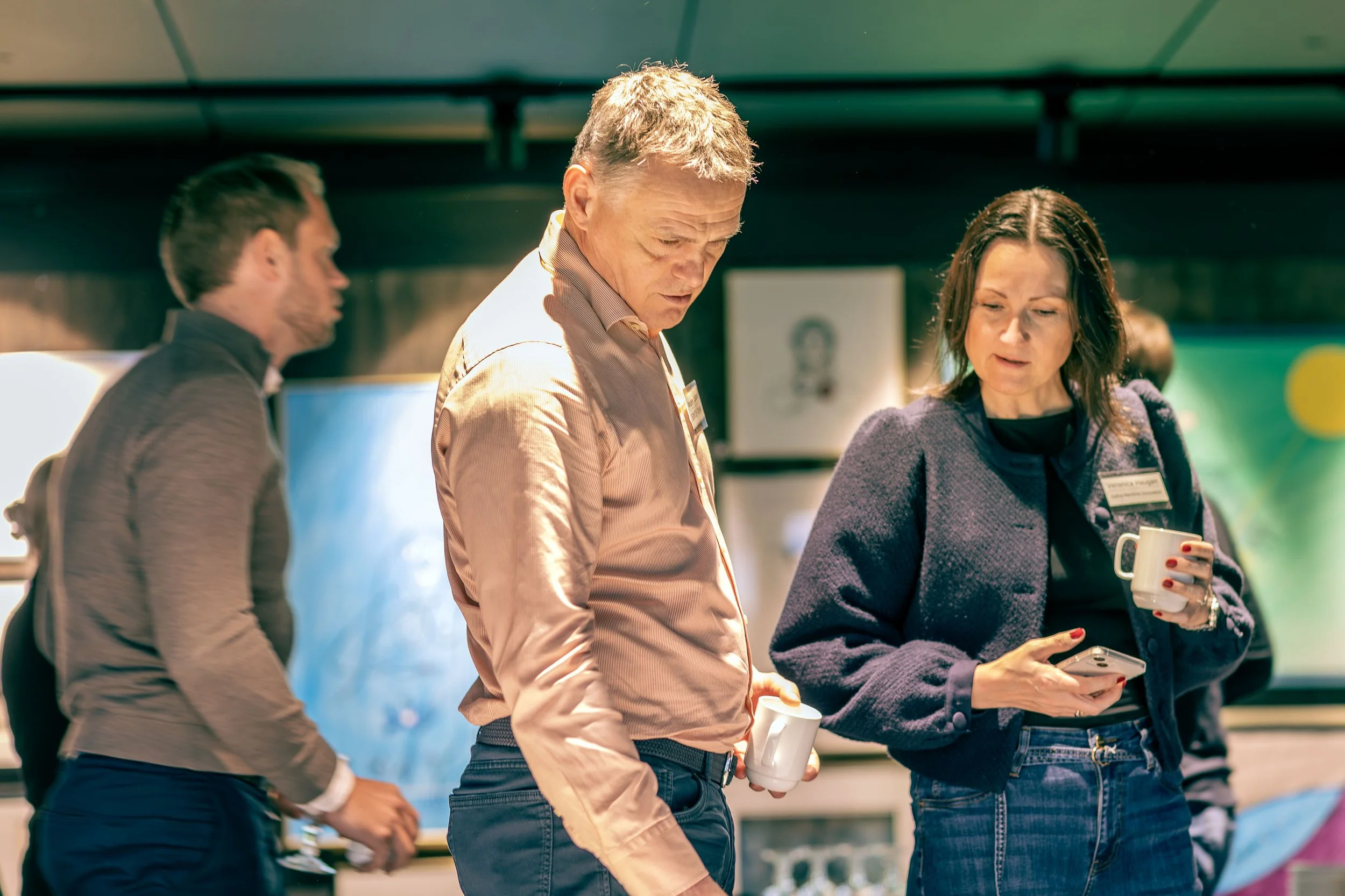
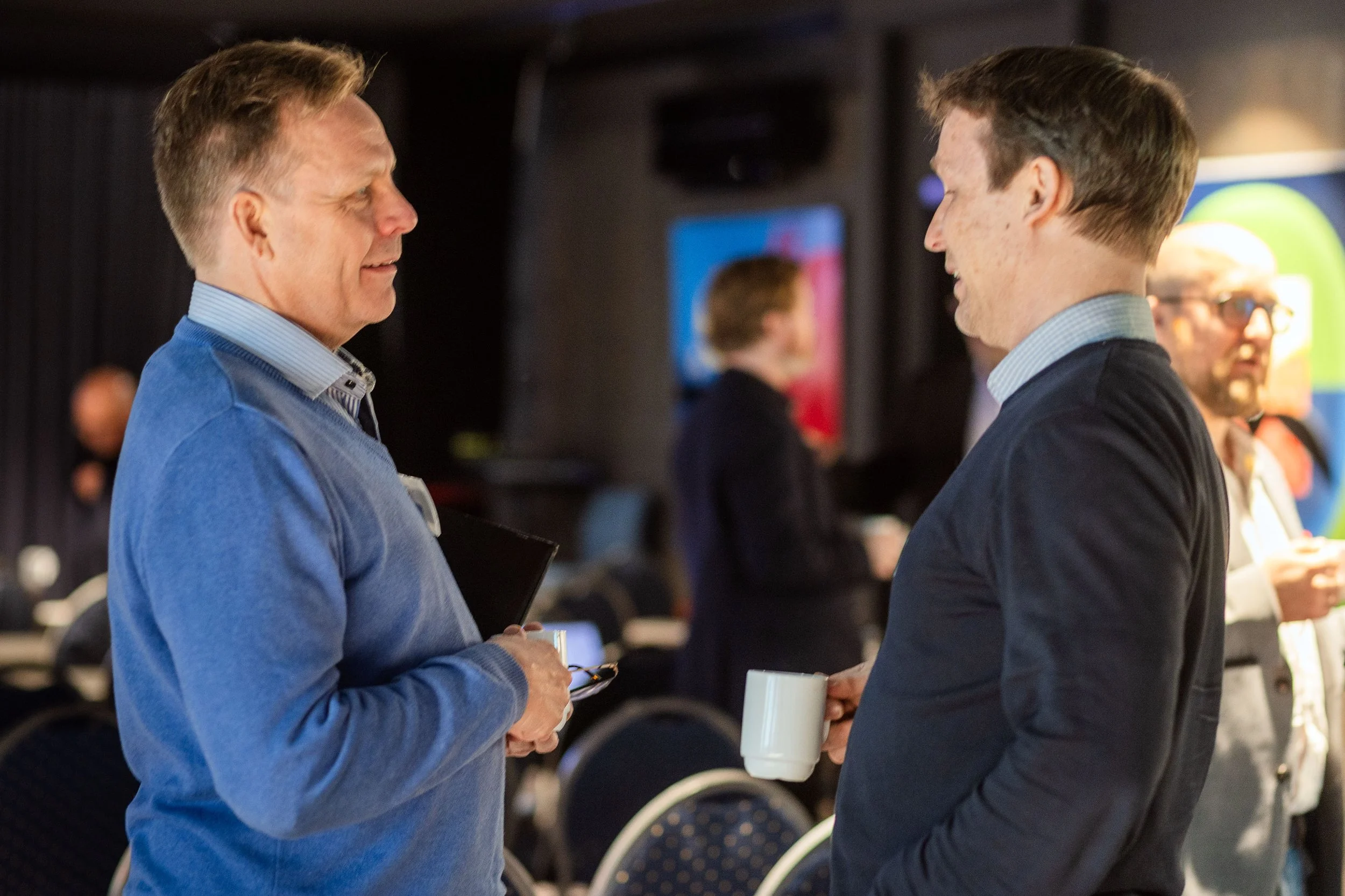
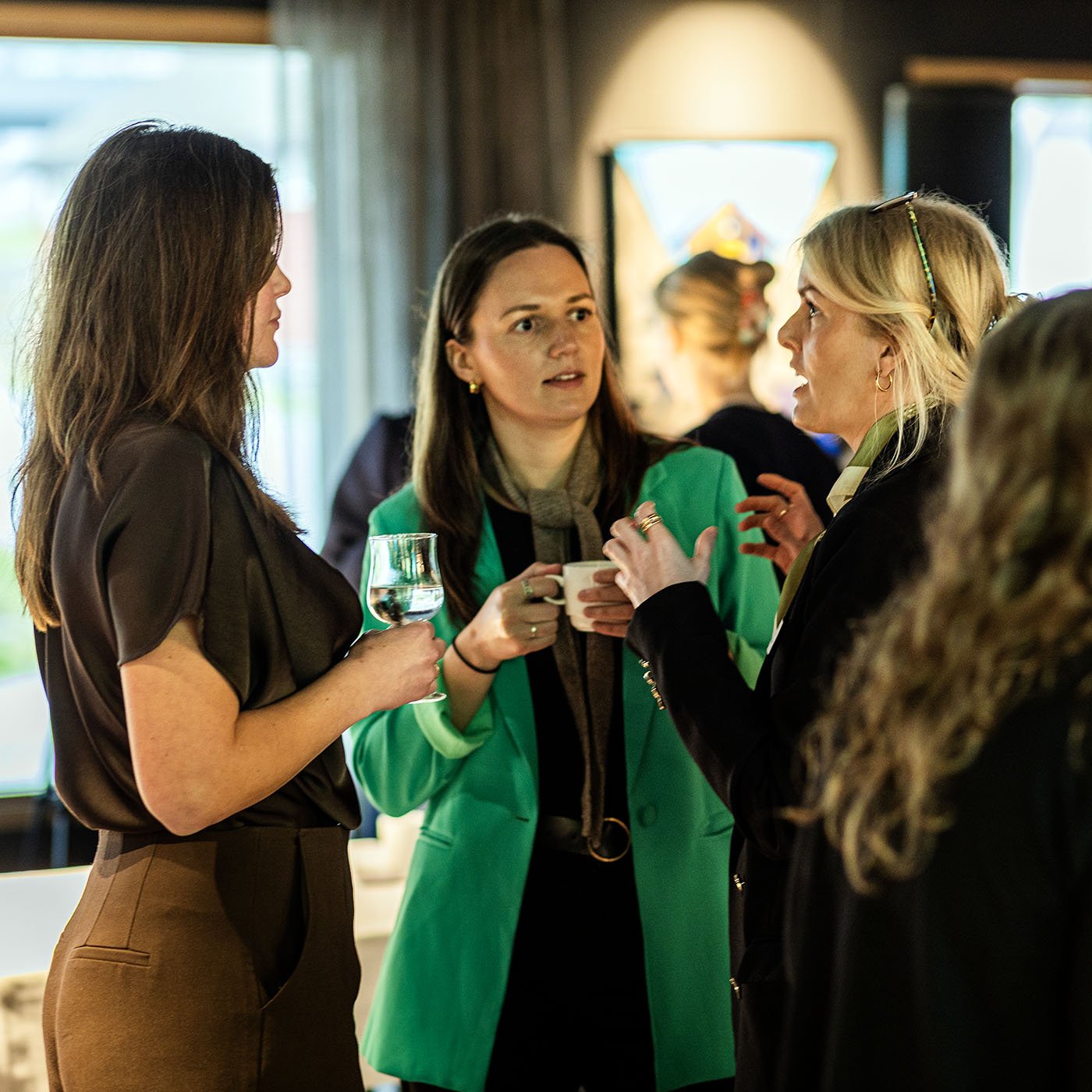
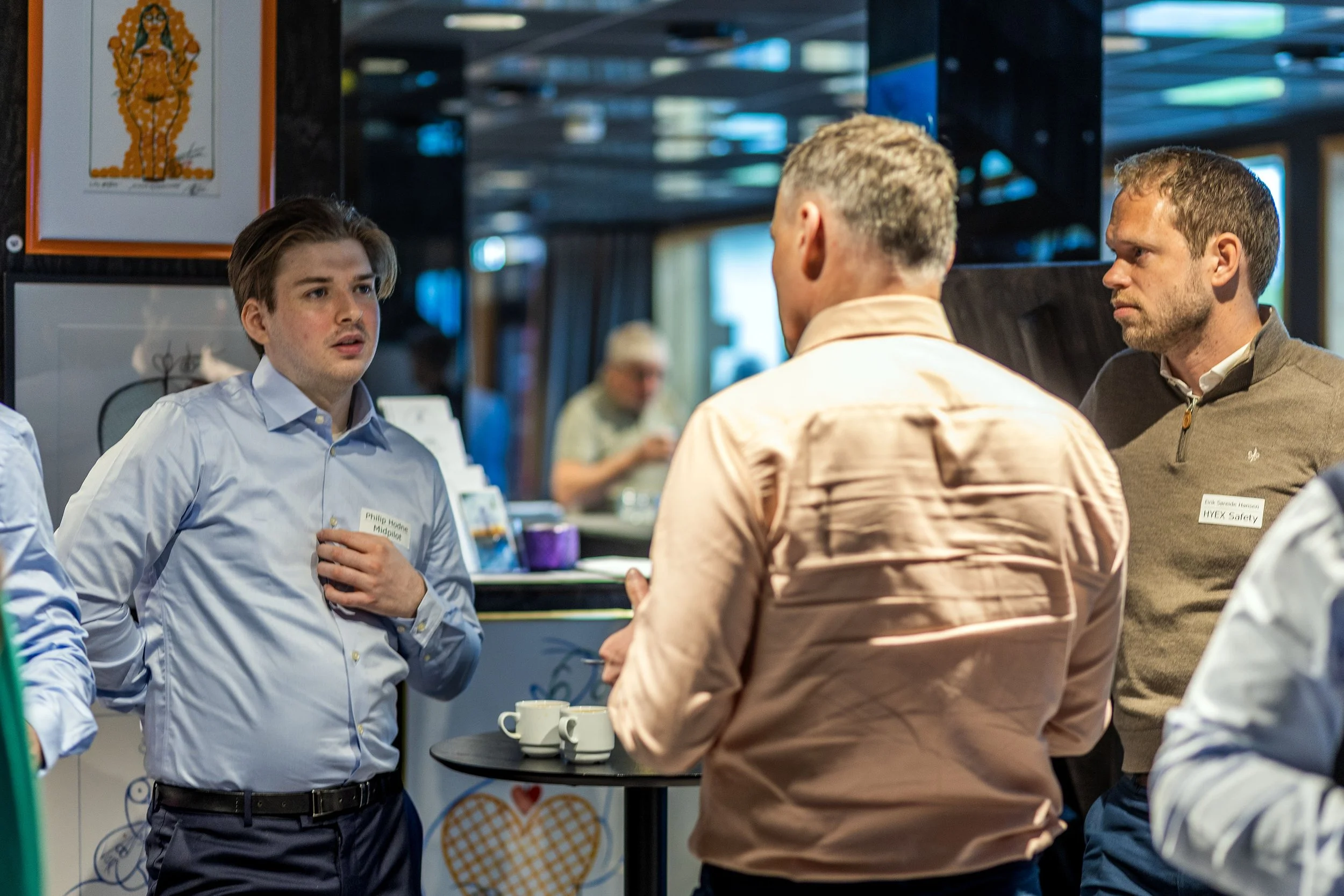
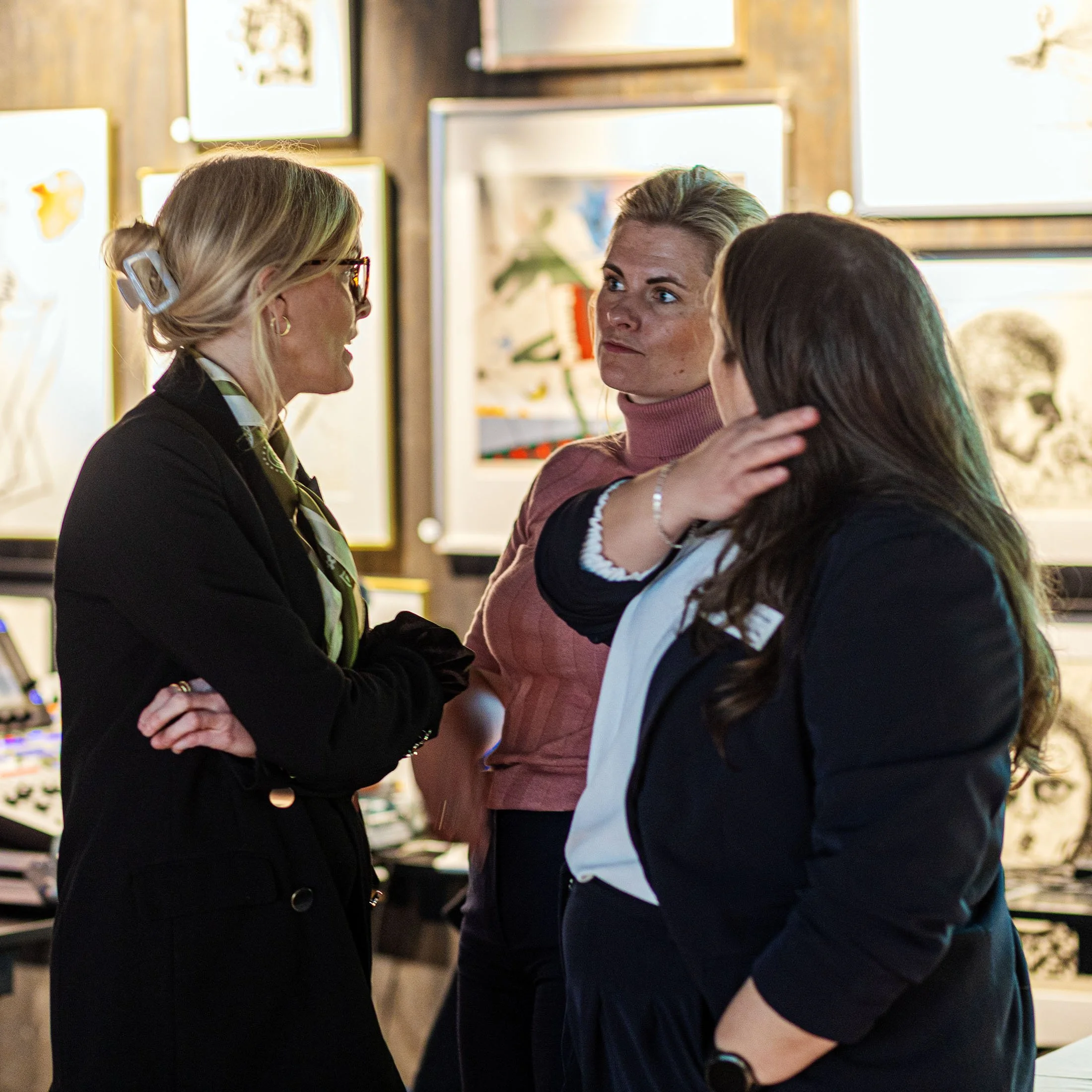
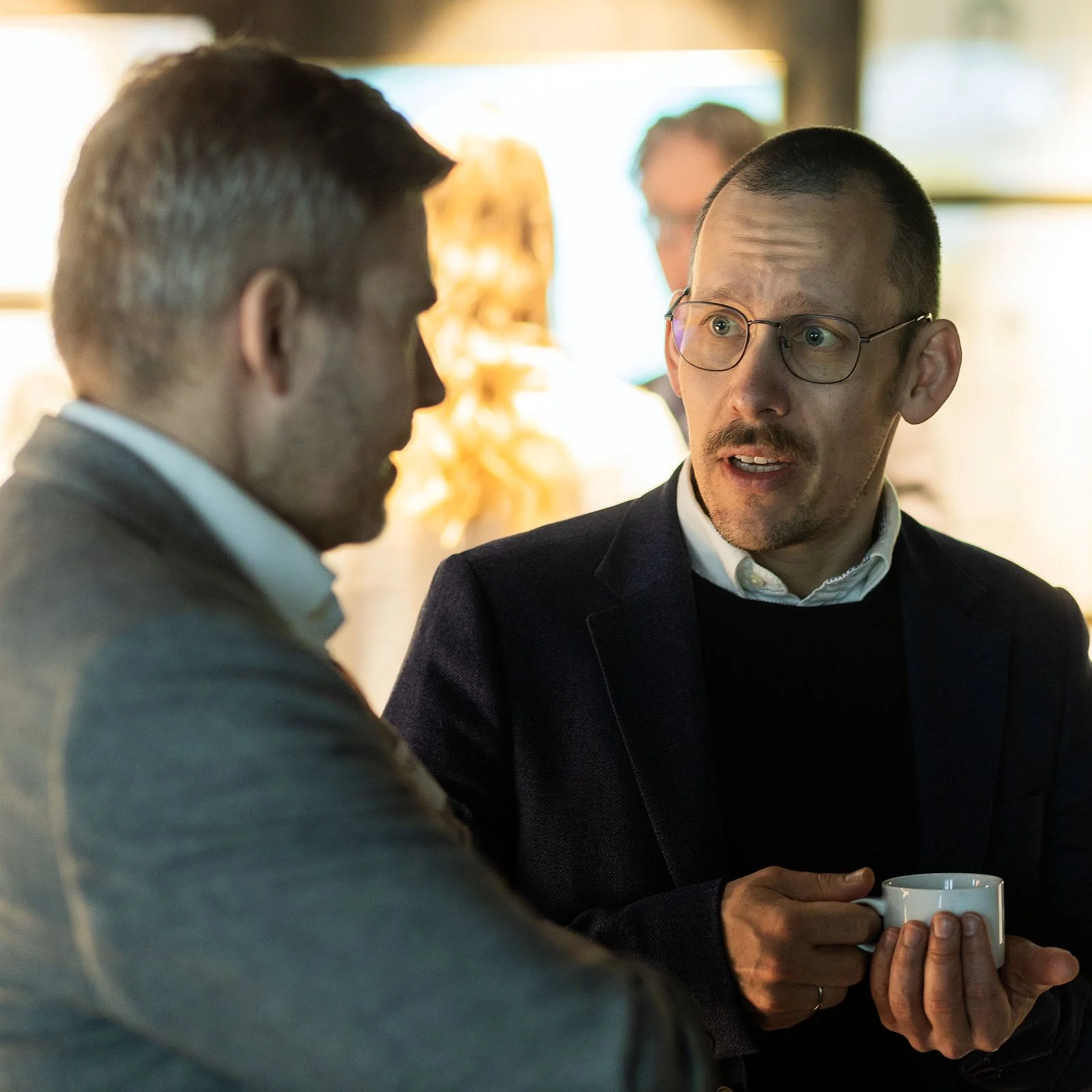
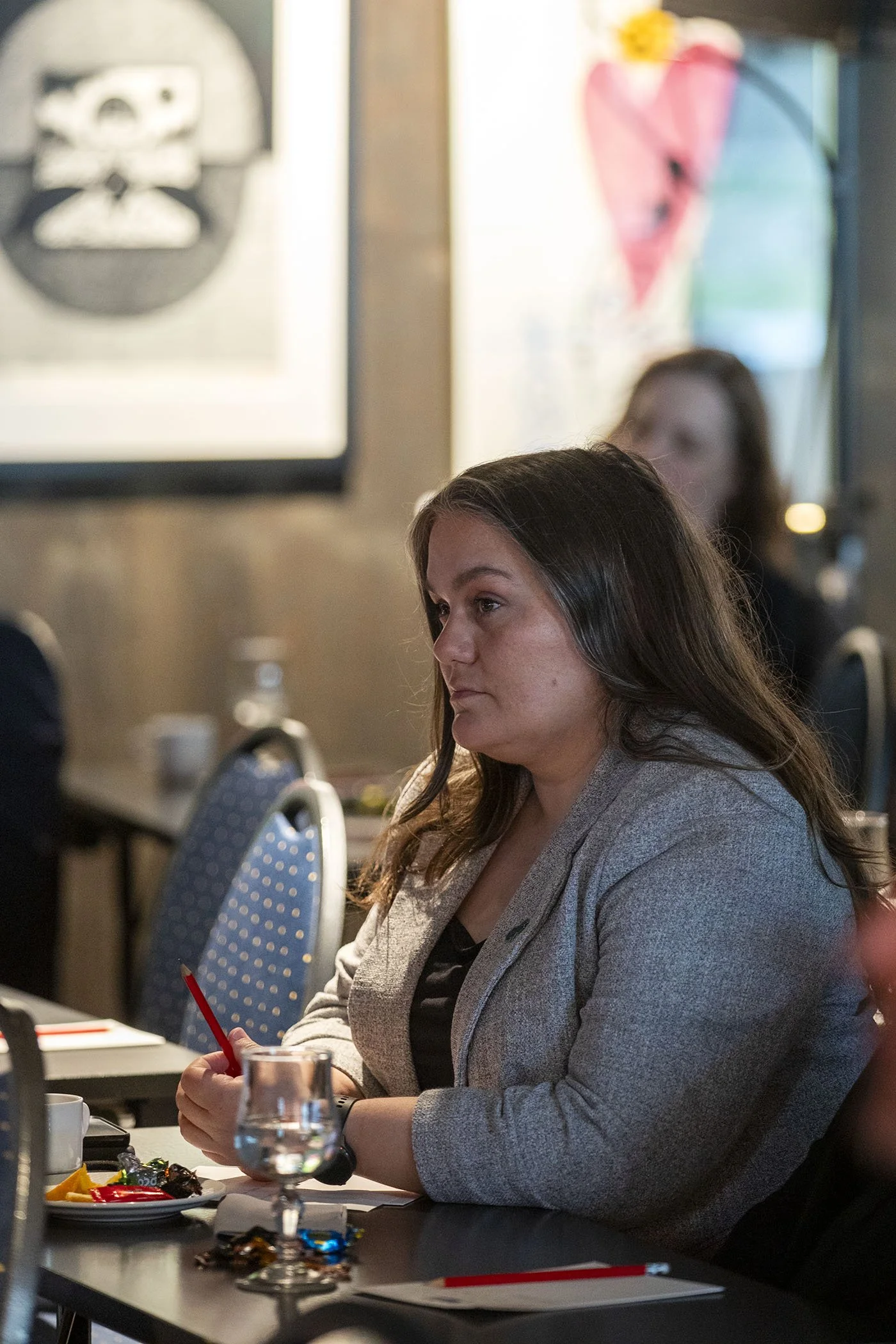
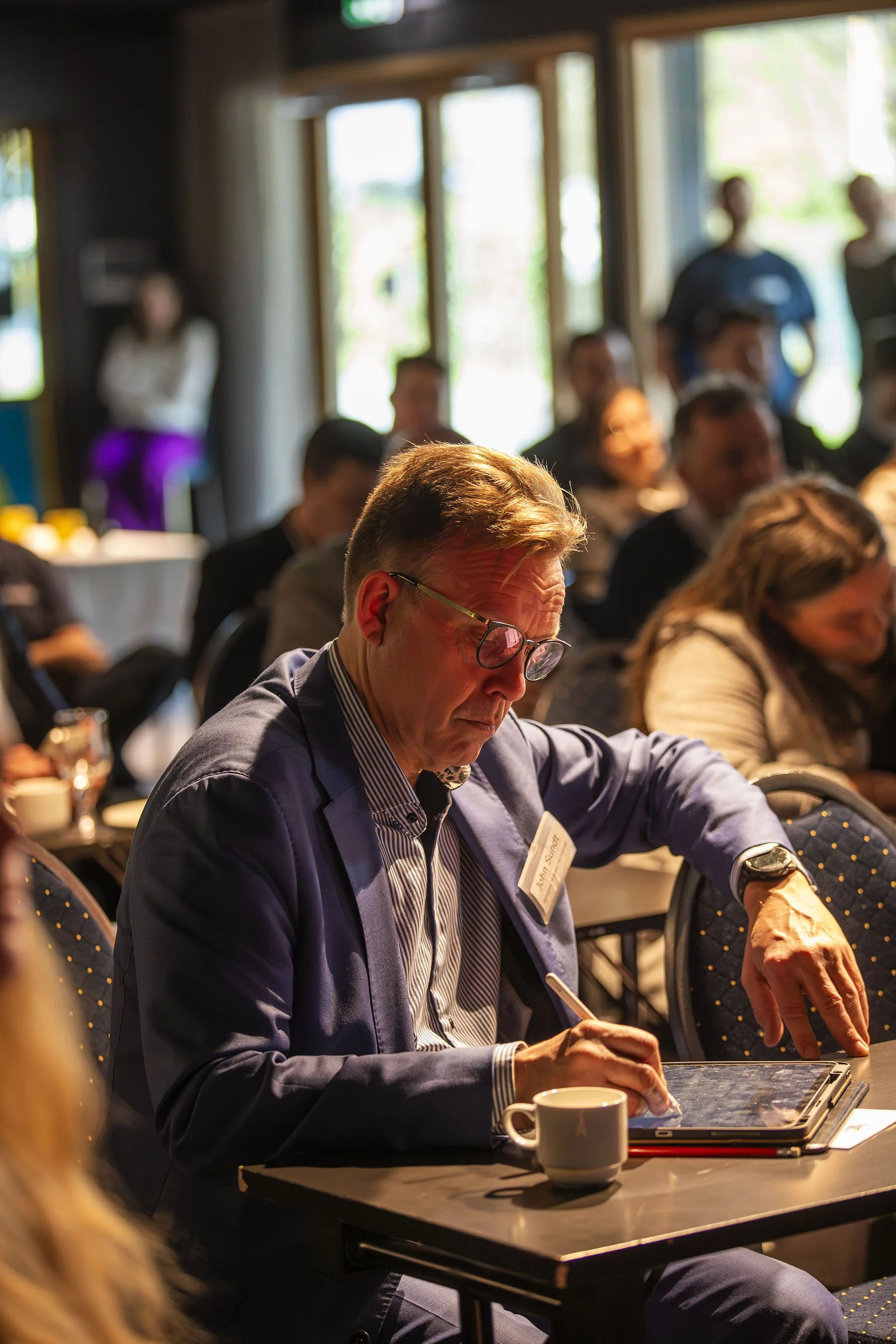
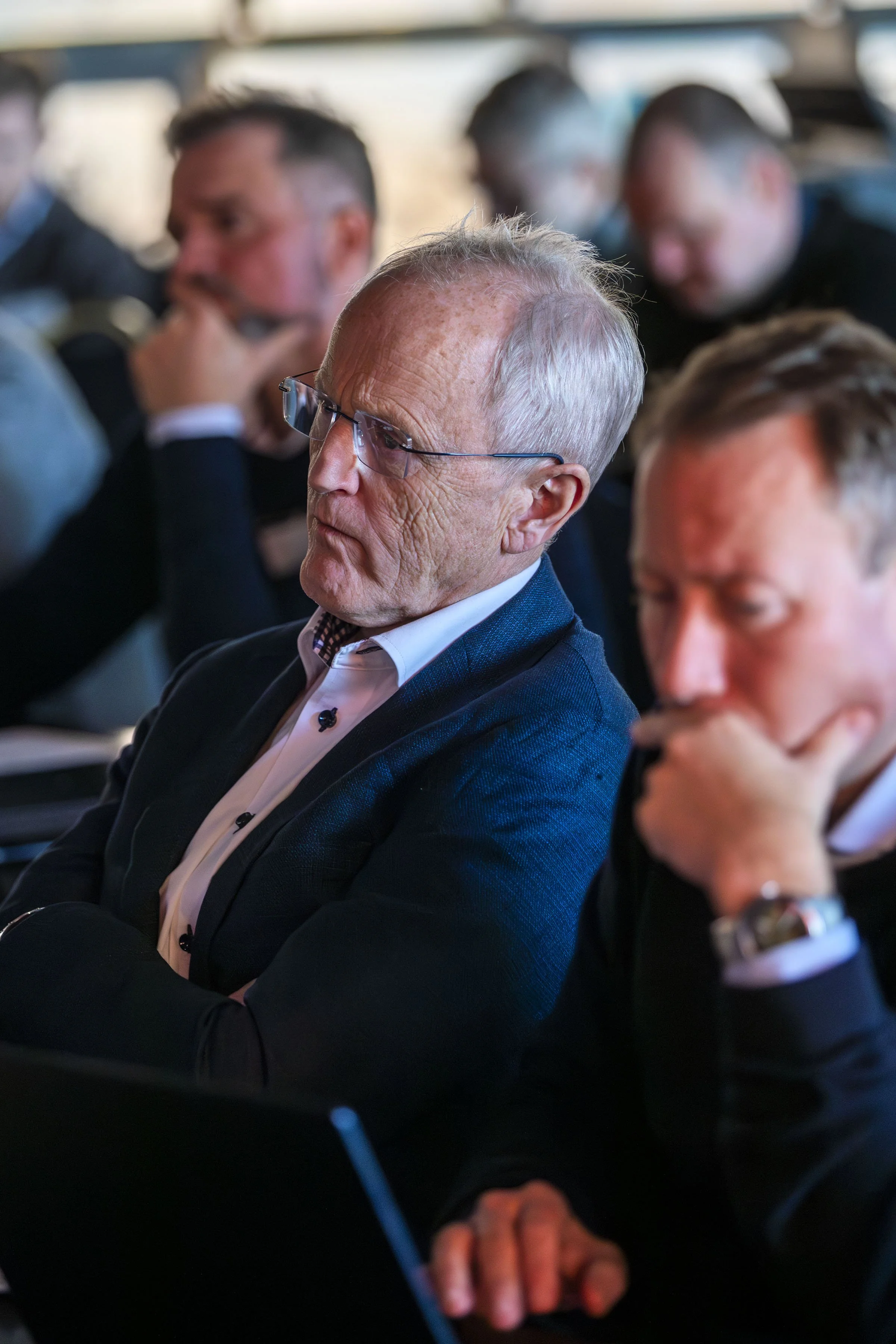
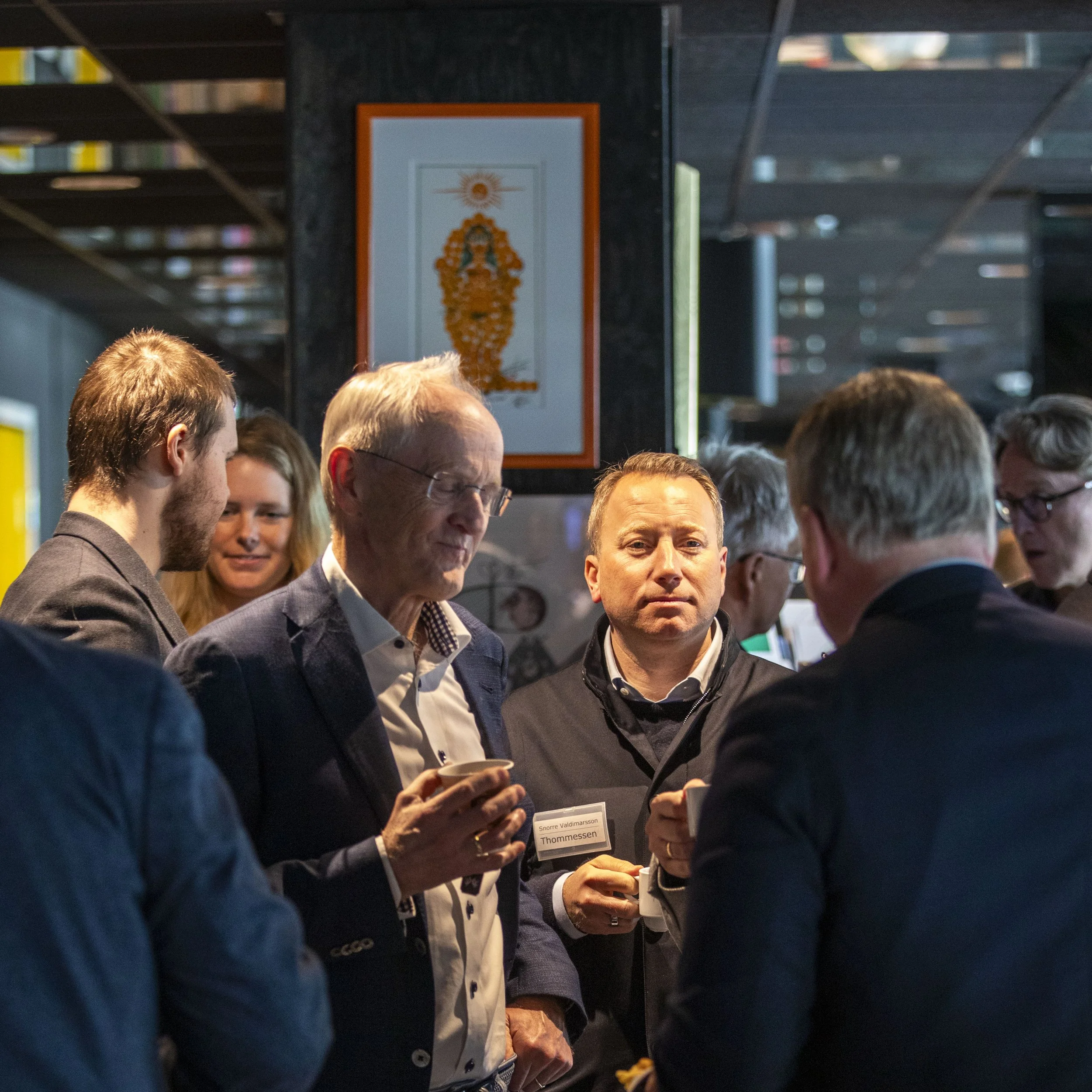
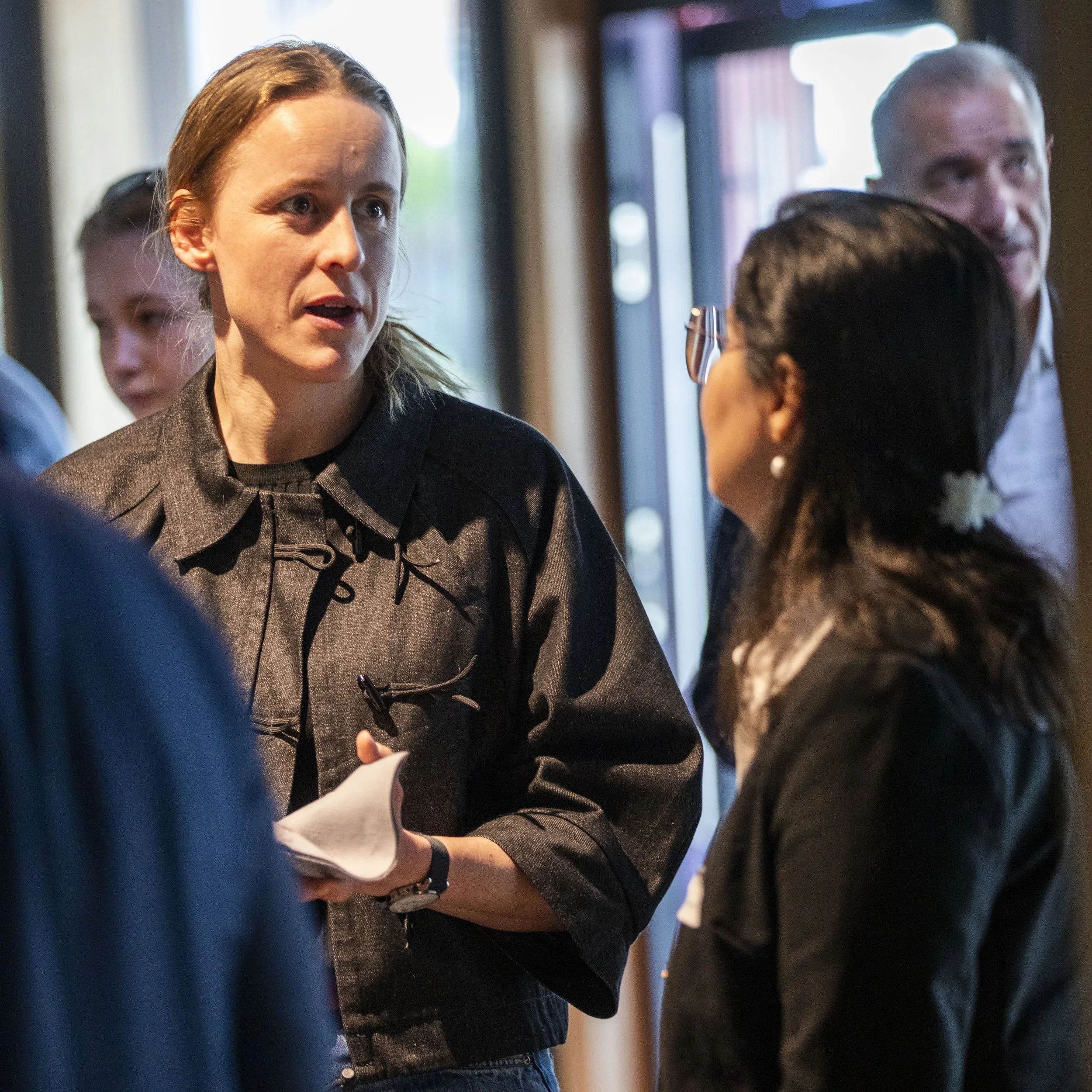
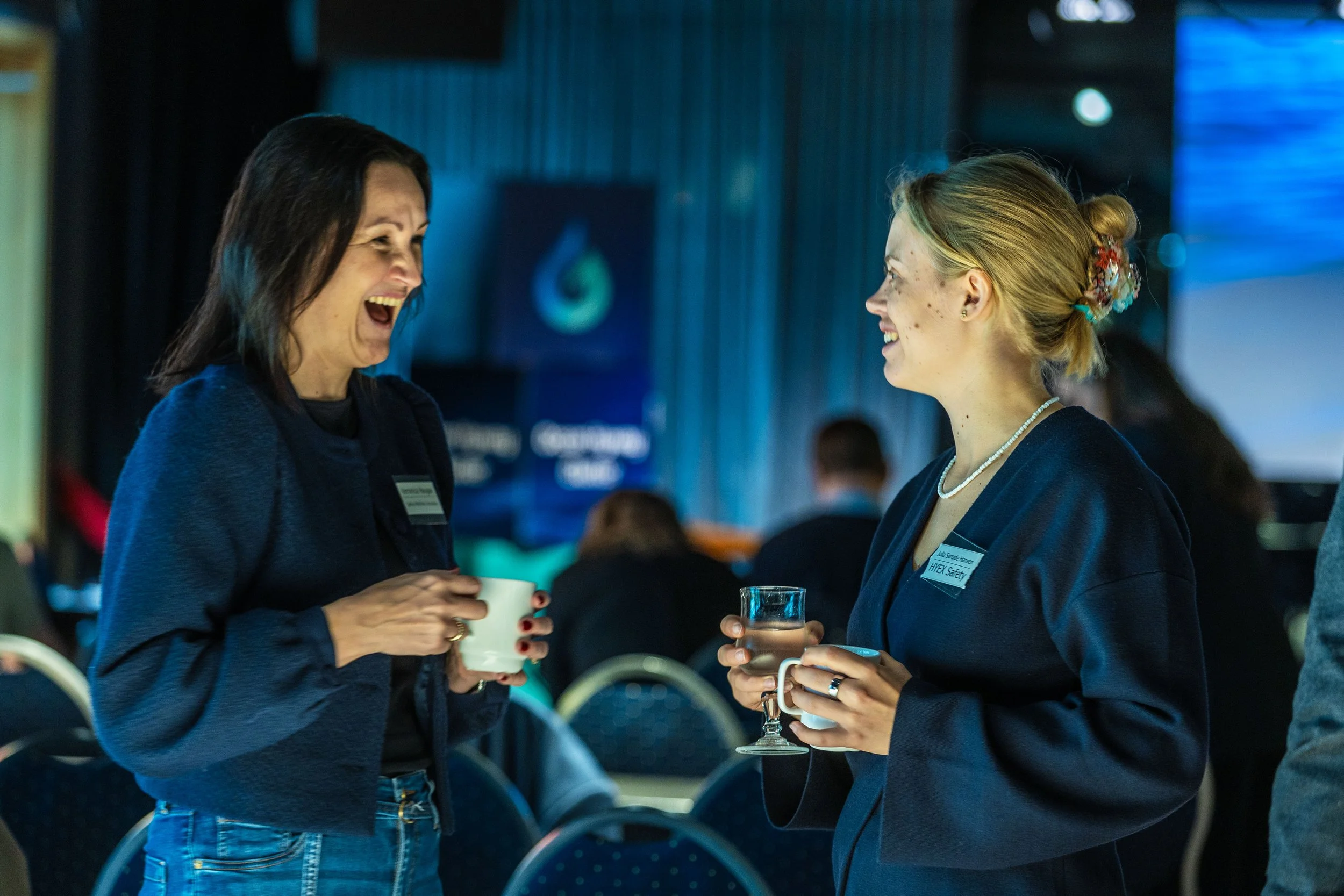
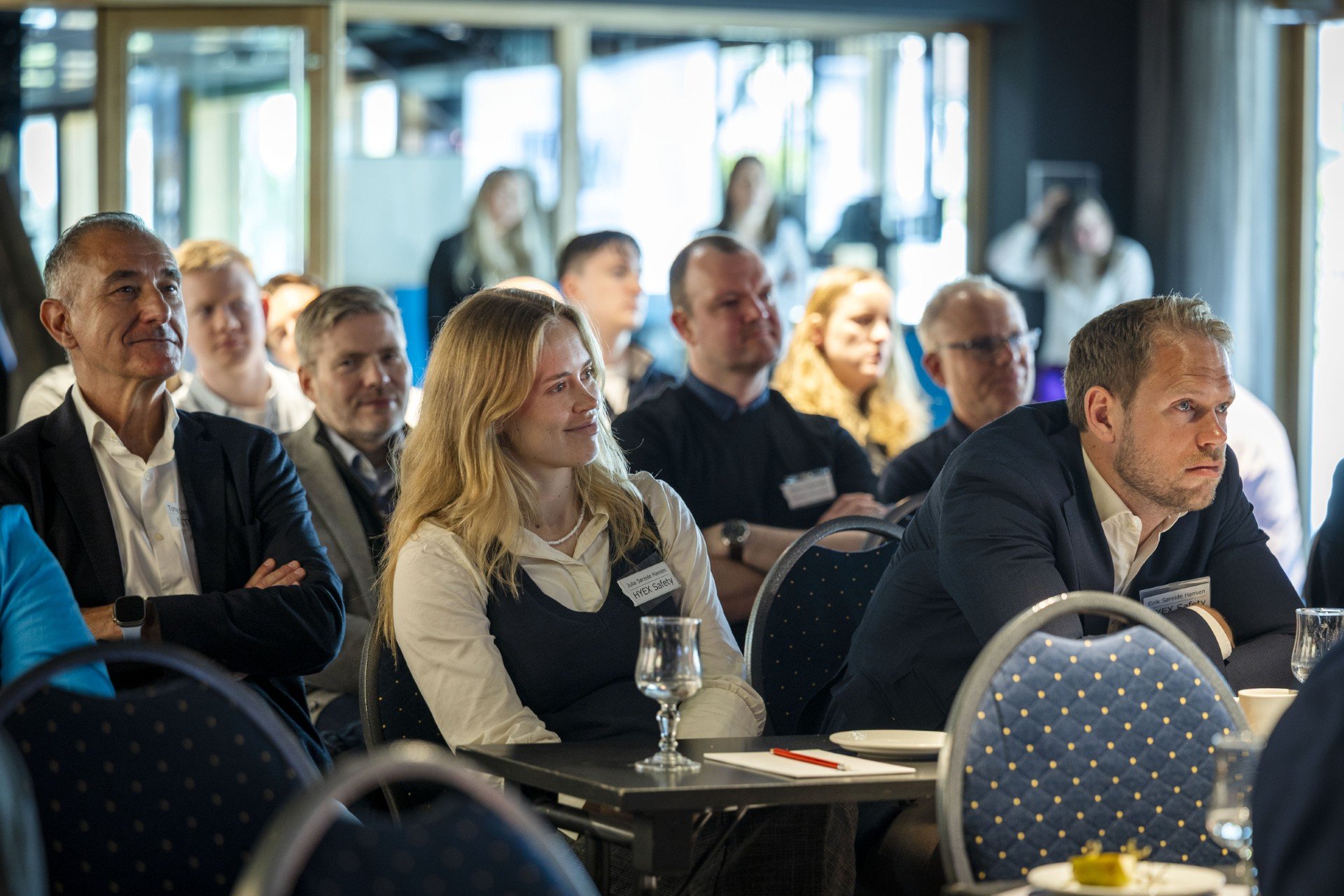
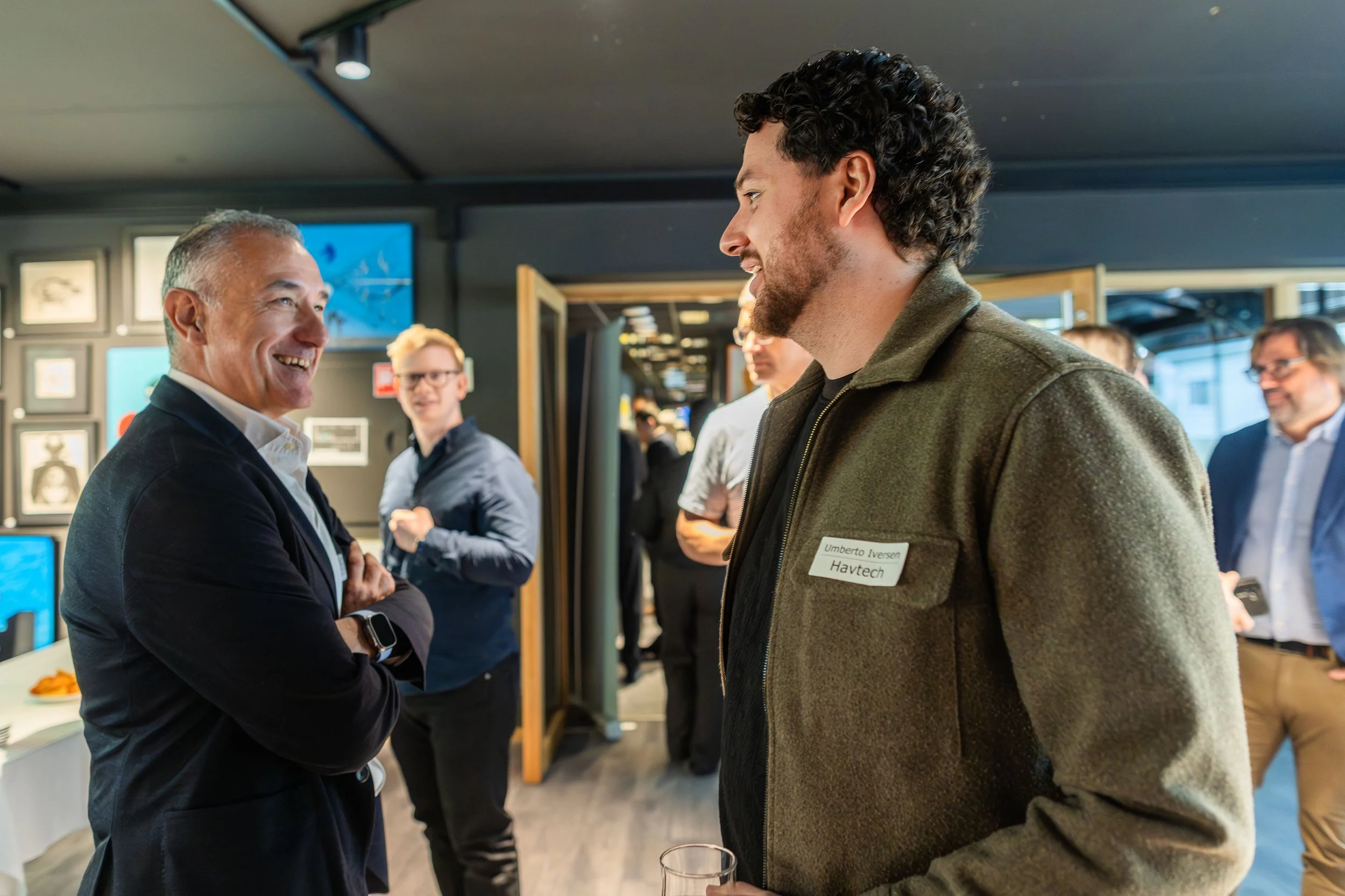
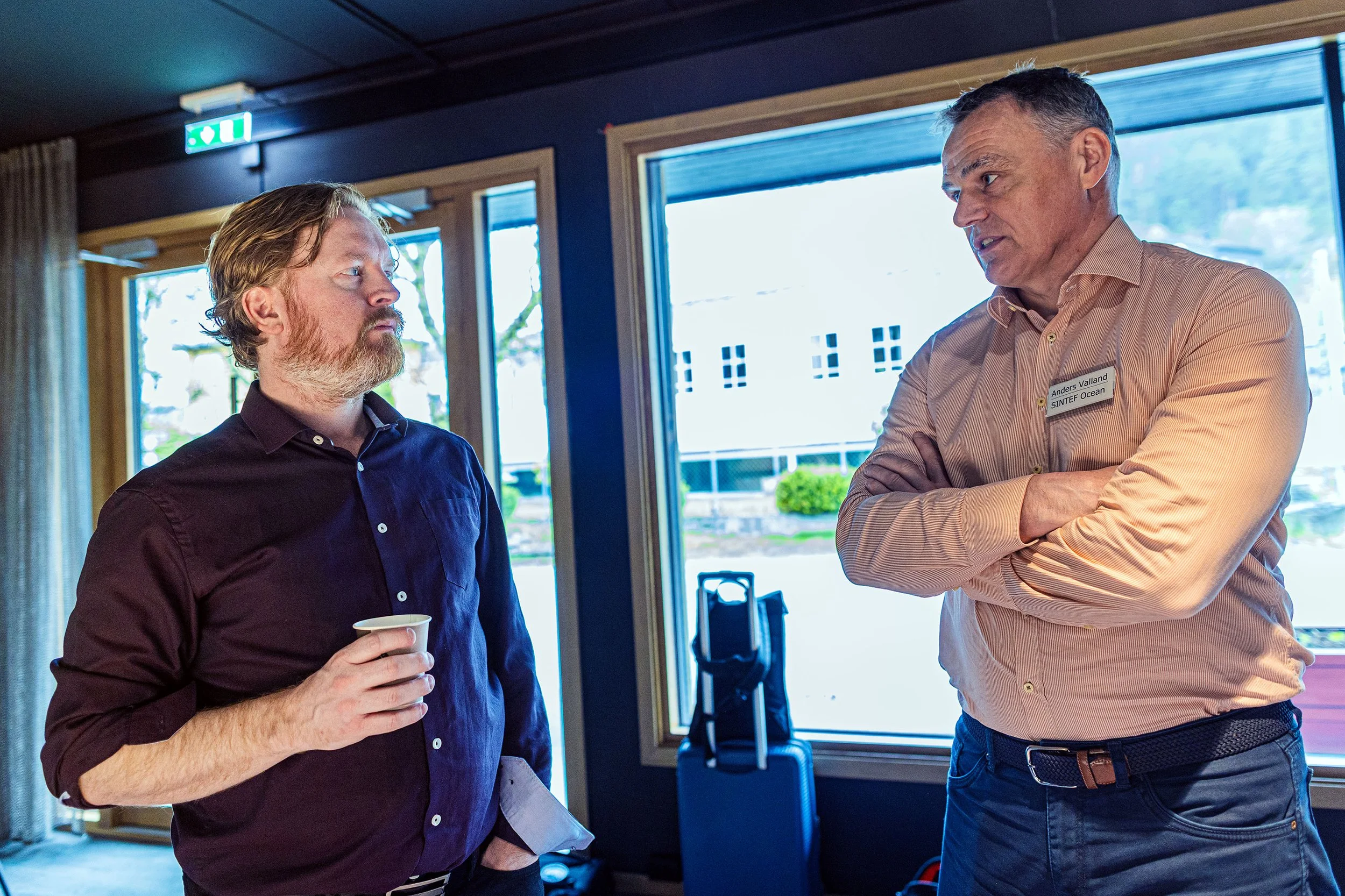
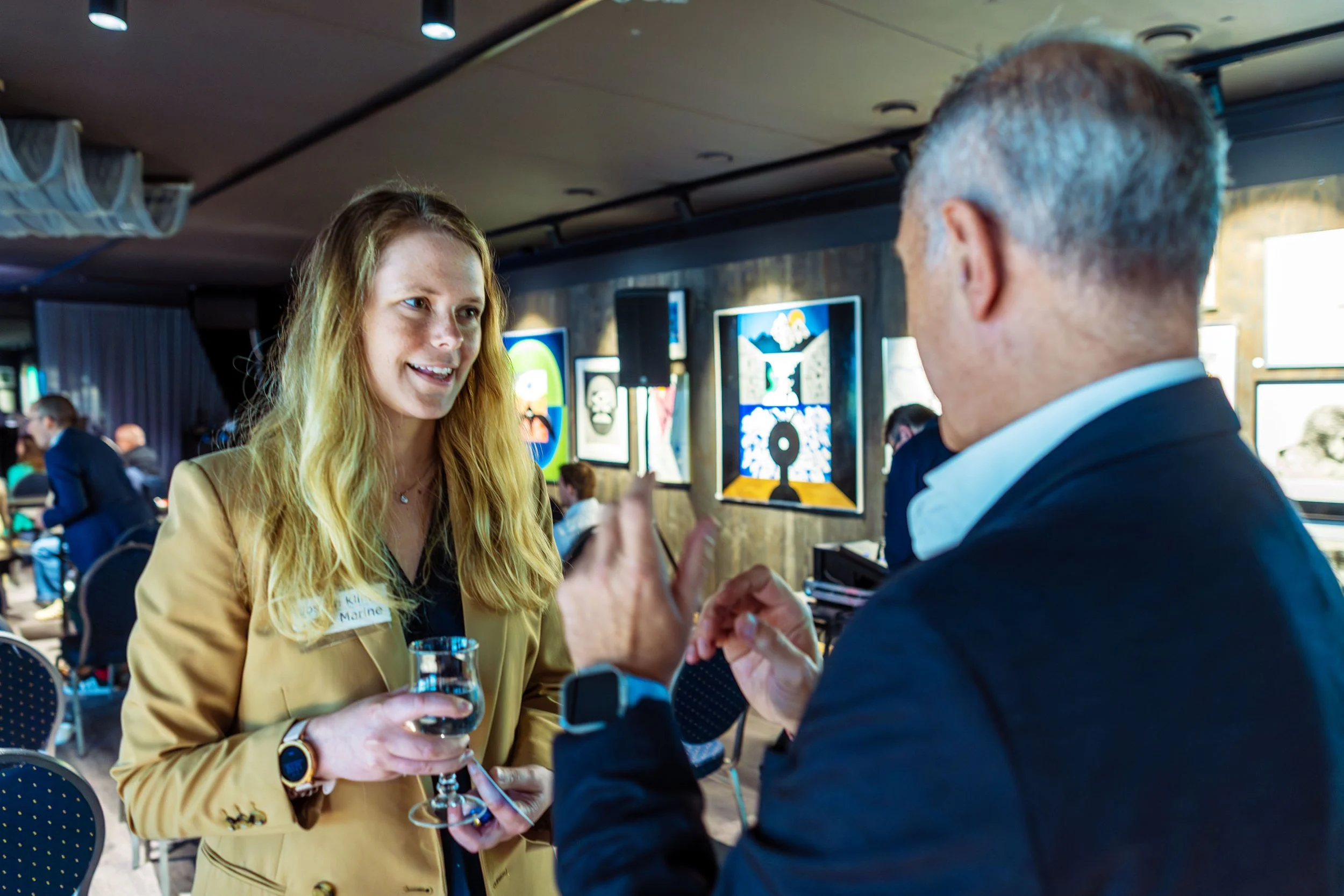
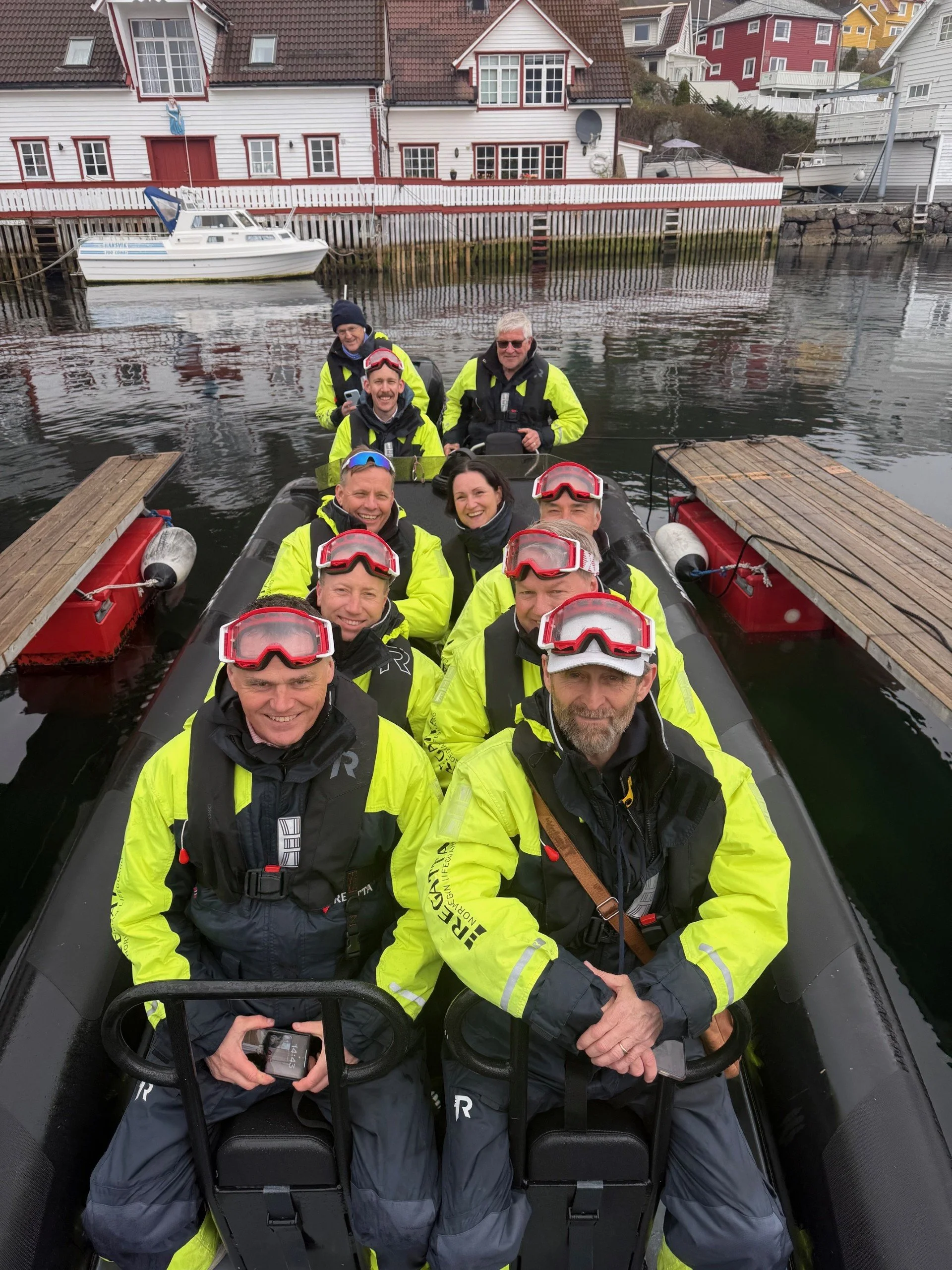
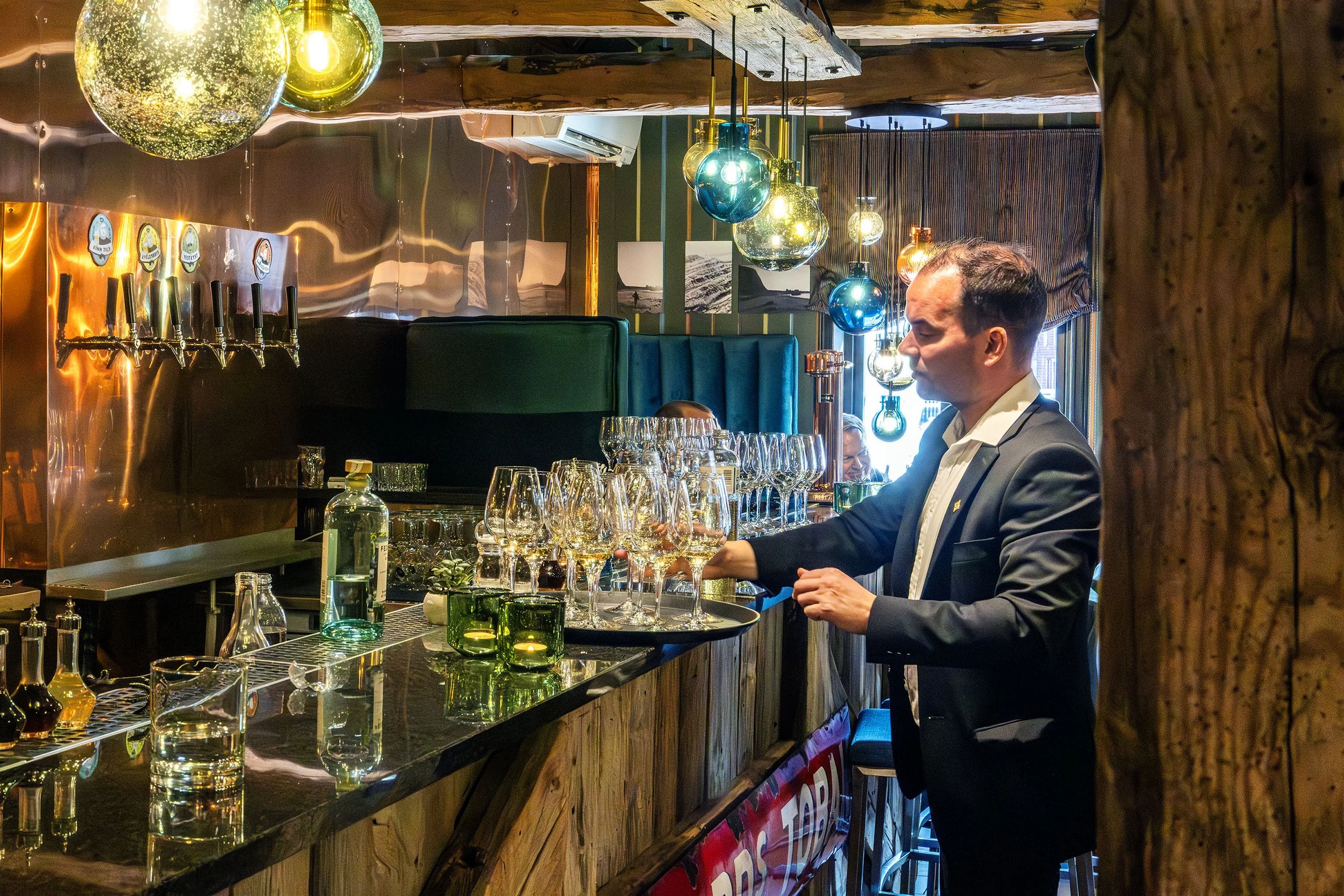
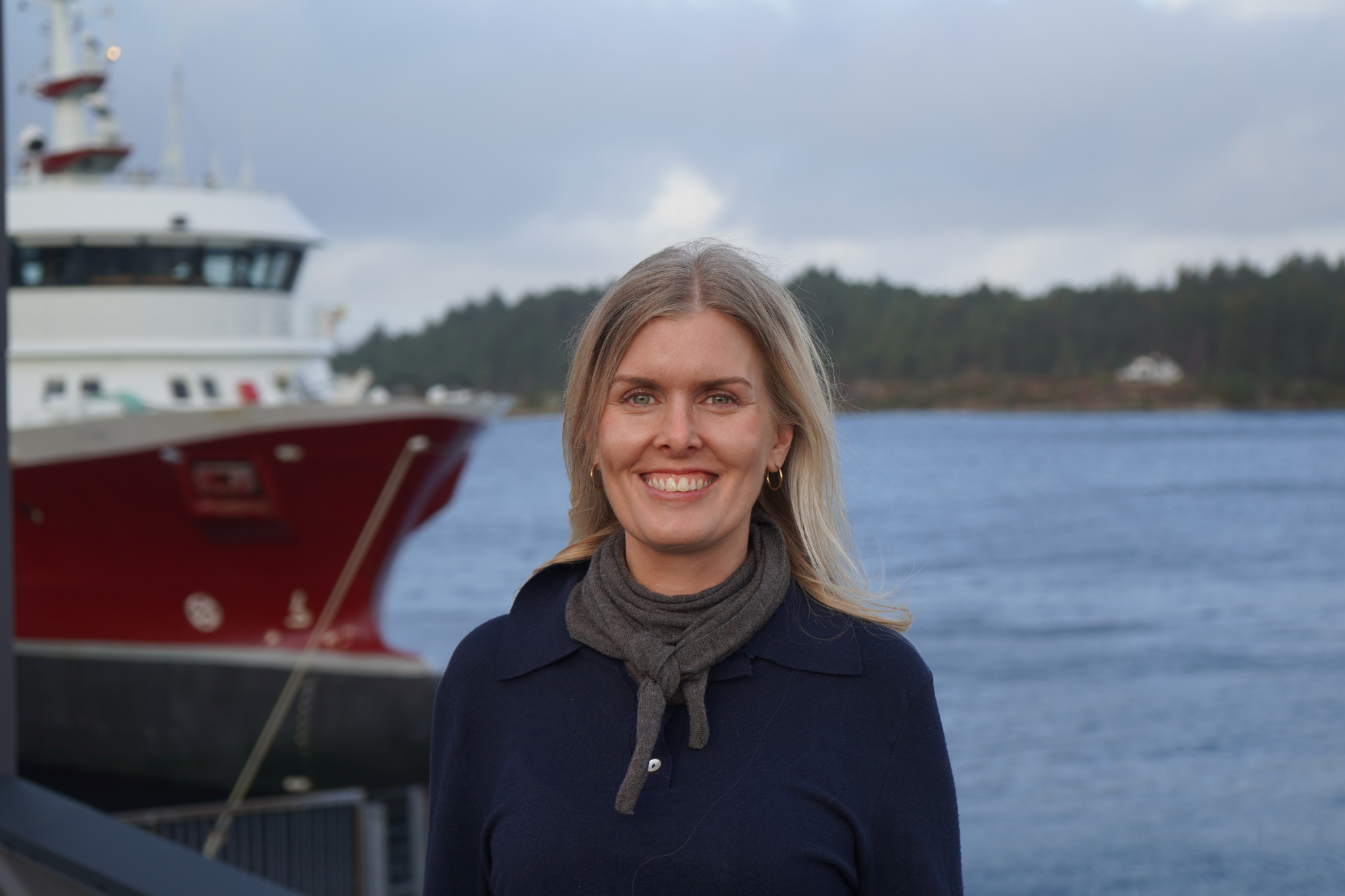
Two inspiring days together in Kalvåg. Surrounded by the open coastal landscape, the conference created a space for honest reflections, new perspectives, and important conversations about where the hydrogen industry stands today. Through thoughtful and engaging contributions from our speakers, the programme set the tone for two days of insight, discussion, and shared learning. A meaningful way to mark 10 years in the hydrogen landscape.
Reflections, reality checks and momentum
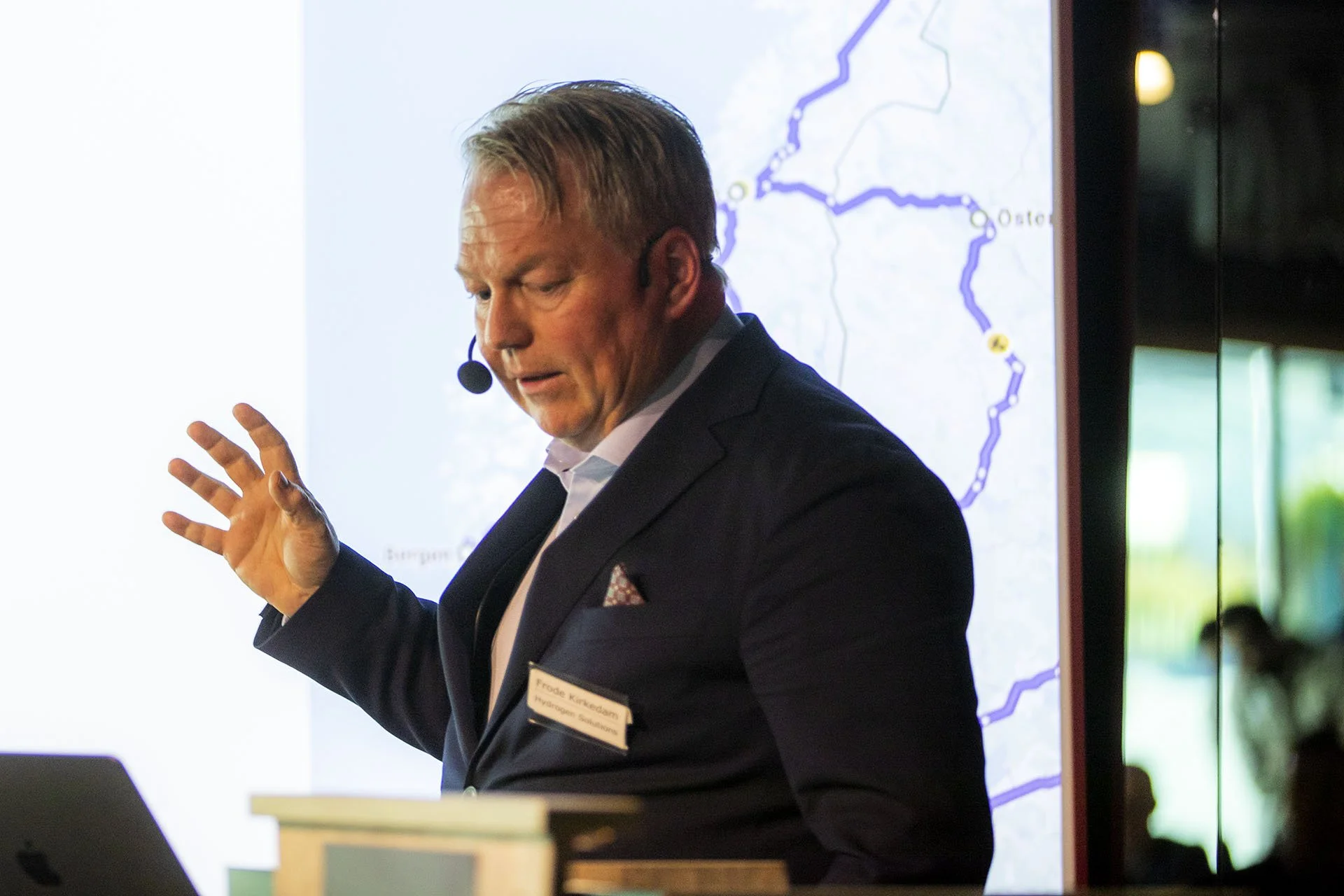
The conference opened with Frode Kirkedam from HYDS, who set the tone by addressing a fundamental challenge: fear of the unknown. Progress, he reminded us, is not supposed to be comfortable. He reflected on how the industry has evolved over the years, highlighting that while many actors have come and gone, shipping is now ready and waiting for a robust hydrogen supply chain.
Anders Valland from SINTEF Ocean followed with a deep dive into Norway’s energy history, asking whether we are truly in “a decade of change.” He pointed out that while new technologies require support in their early stages, they must ultimately be able to survive in the long term without it. Importantly, he emphasized that shipowners today already have access to alternative technologies. The solutions are no longer the barrier!
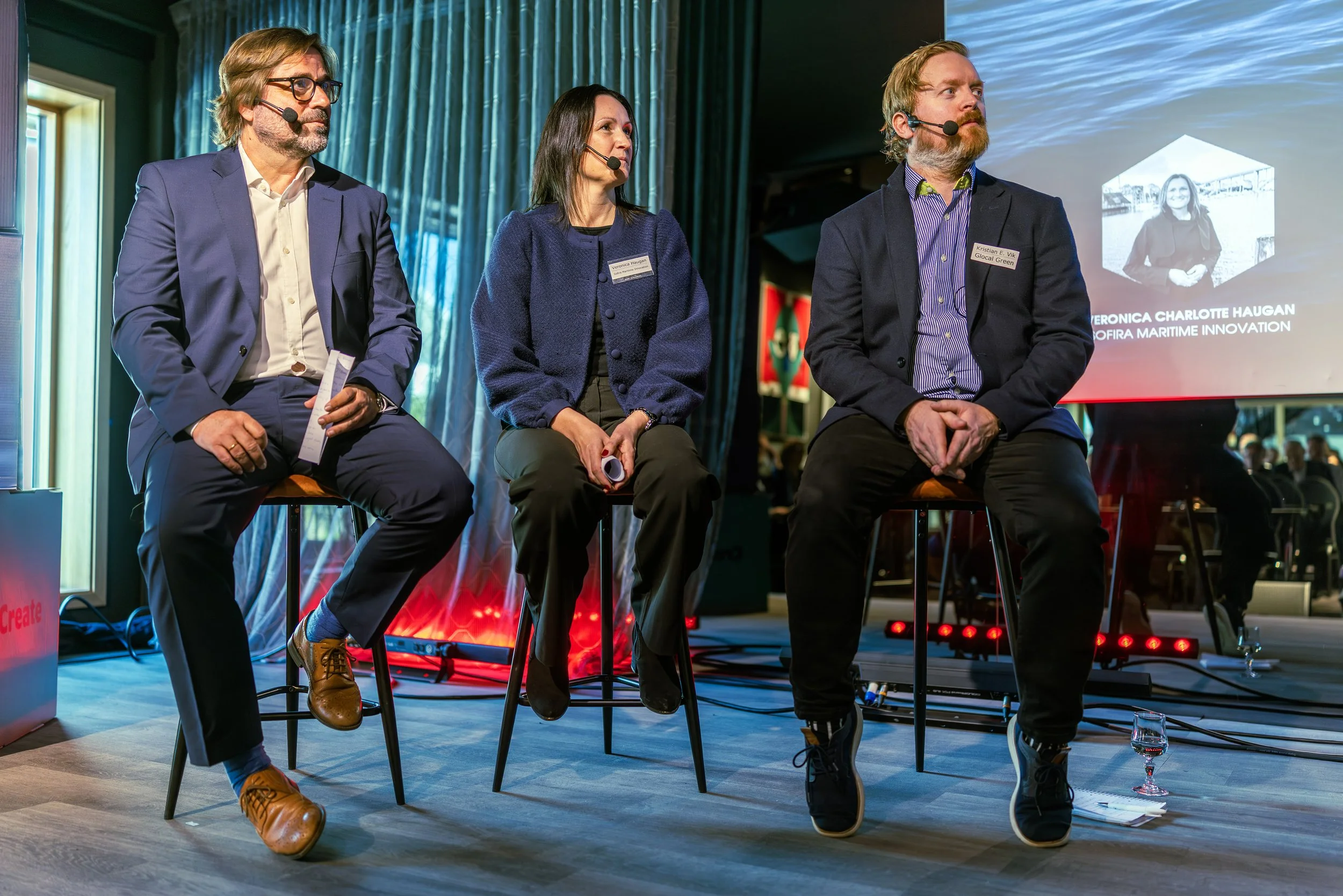
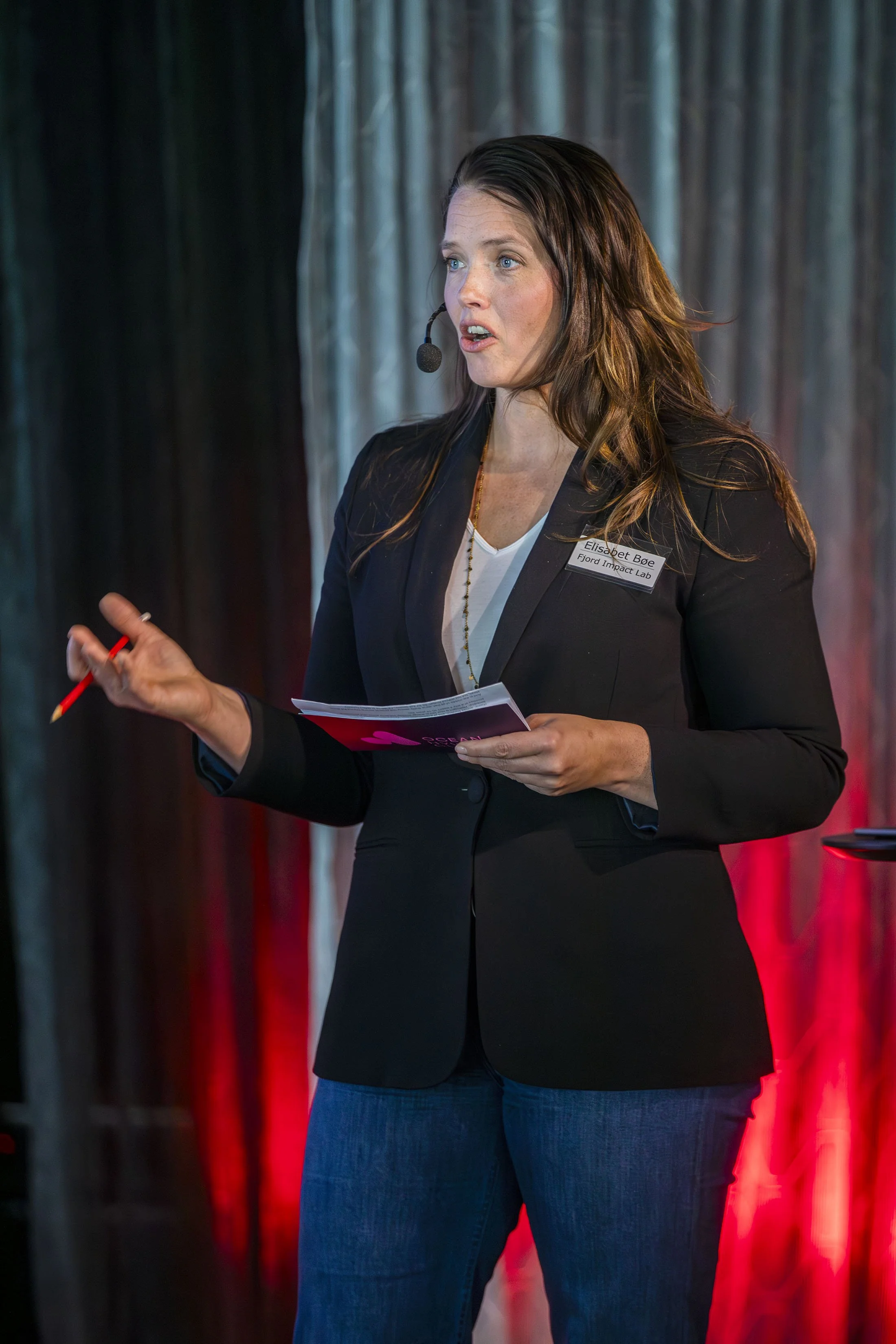
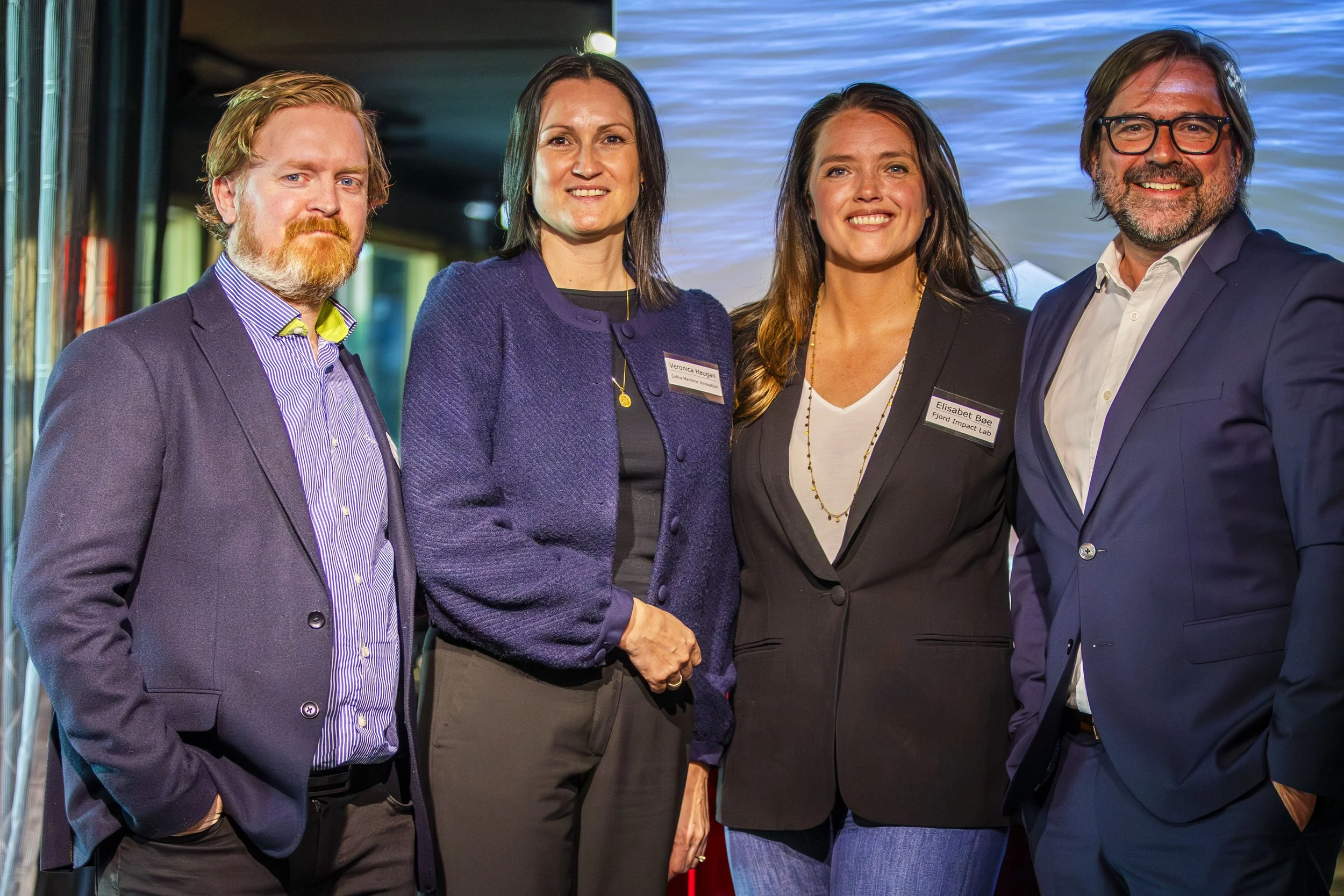
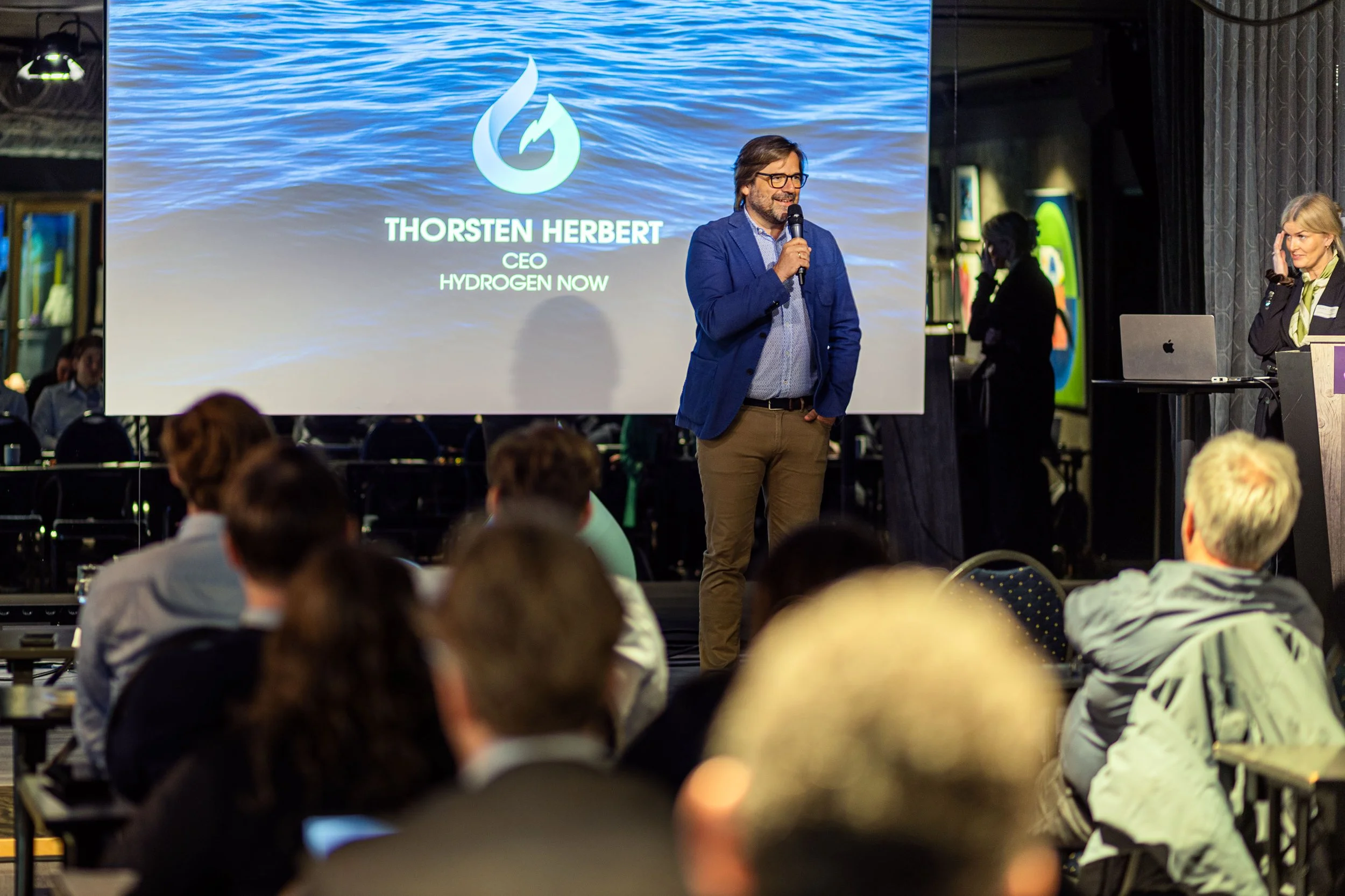
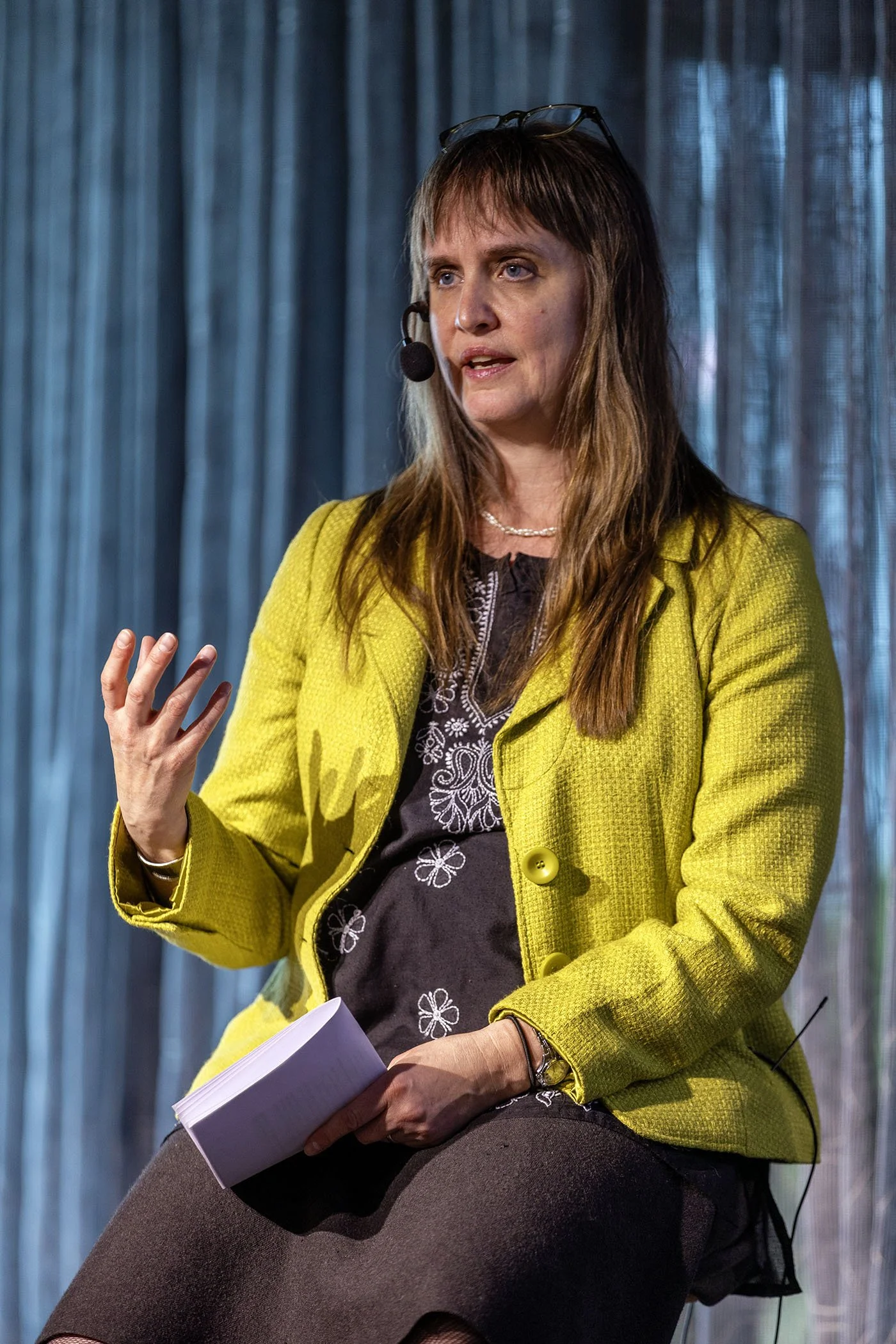
The first panel discussion, moderated by Elisabet Kjerstad Bøe, focused on reflections from pioneers in the field. Thorsten Herbert from Hydrogen Now challenged the audience with a simple but important question: why are we doing this? He pointed to Norway’s energy history as proof that transformation is possible, and underscored the importance of creating local value and integrating local shipowners into the broader value chain. Veronica Haugan from Sofira Maritime Innovation emphasized the need to align stakeholders early in projects, while Kristian Vik from Glocal Green highlighted Norway’s unique position as a hydrogen “superpower.” A shared reflection was that the journey has not been linear; it has been slower, more complex, and more frustrating than many expected. Still, there was a sense that the industry is now entering an upward spiral.
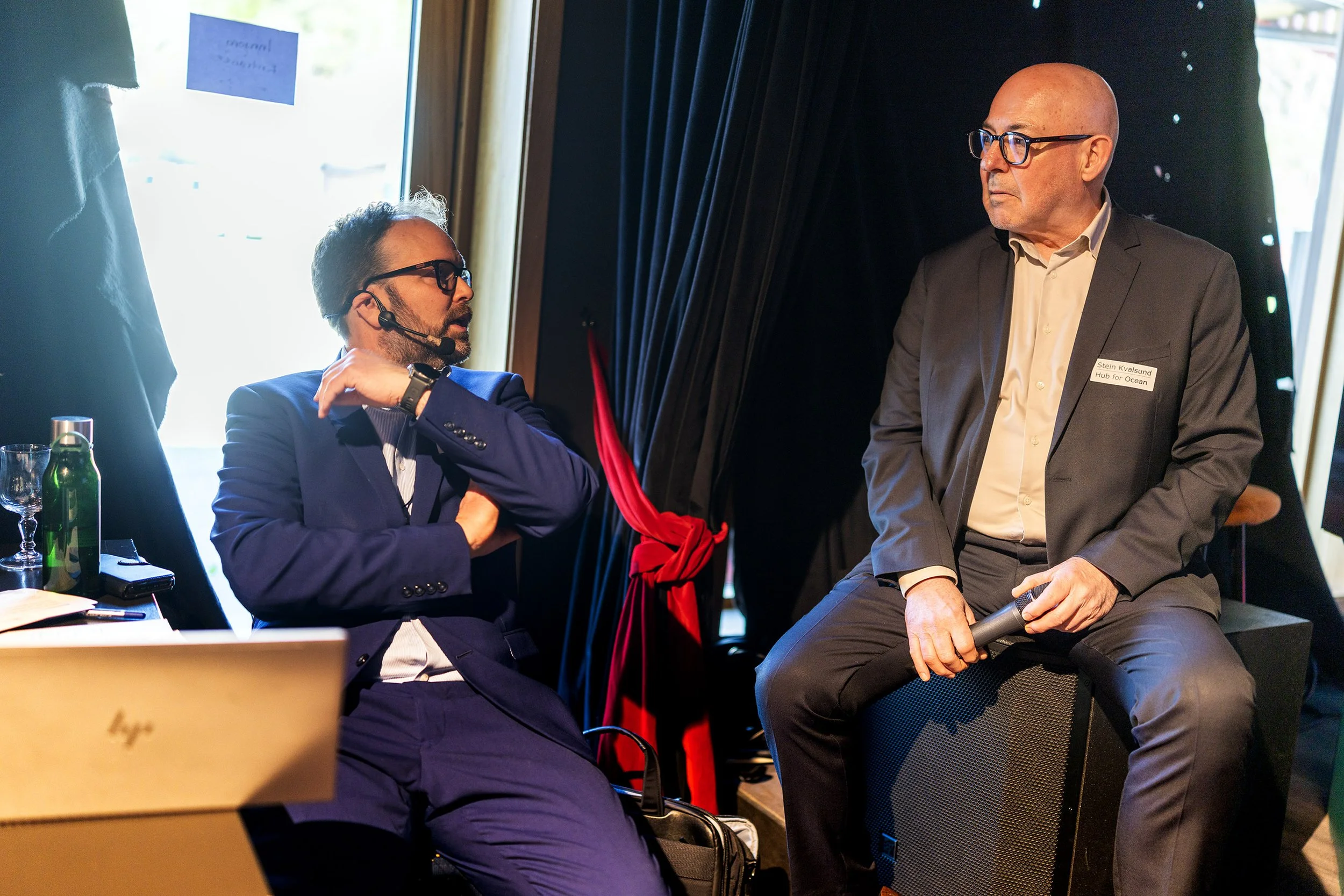
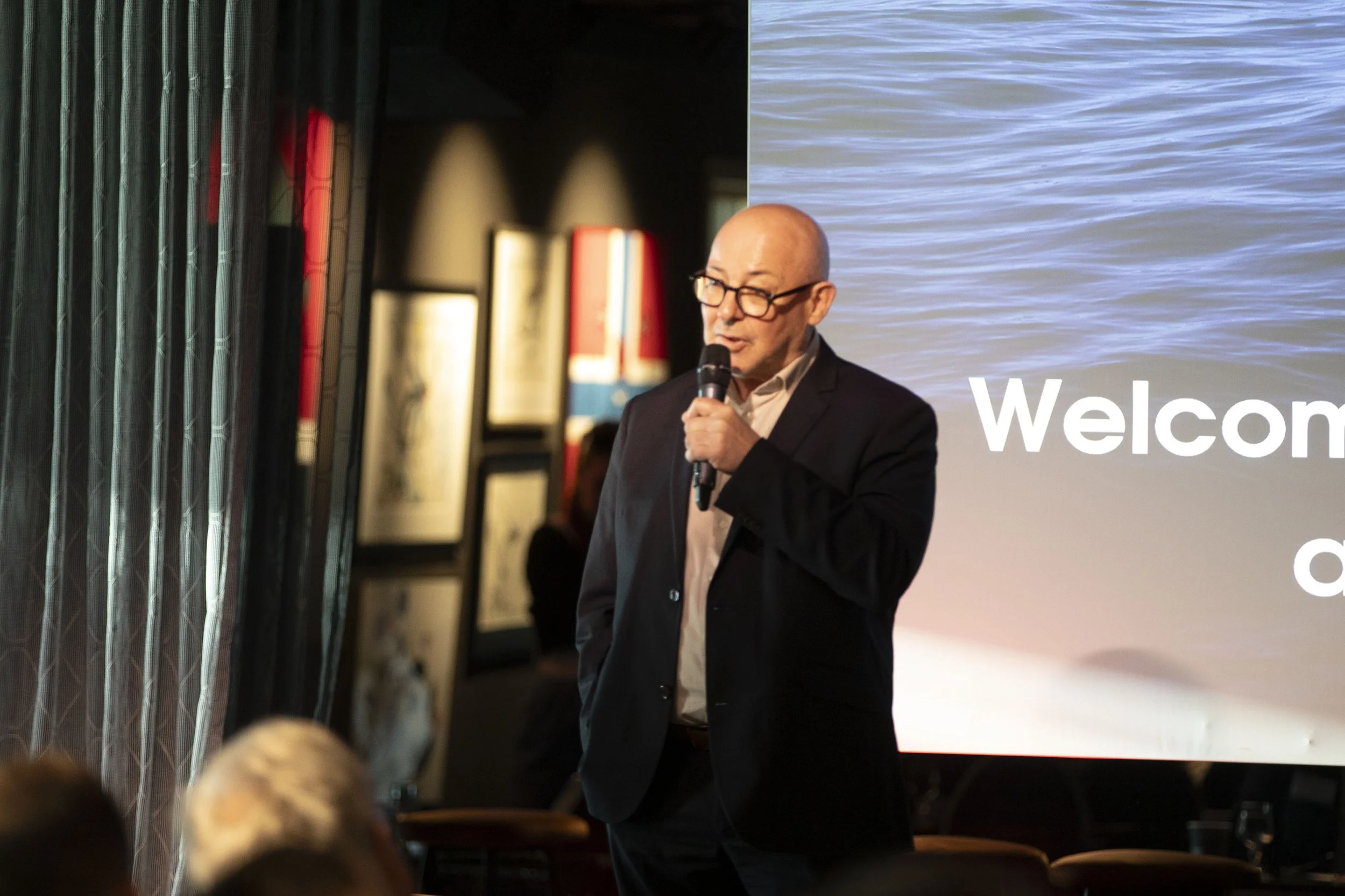
The second panel, moderated by Tor Kristian Haldorsen from Norwegian Hydrogen Forum, explored the gap between national ambitions and regional implementation. Øyvind Bang-Olsen from Kinn municipality highlighted the need for clear strategies for alternative fuels at the community level, and the importance of patience in building a new industry. Kjetil Mork from Fortescue emphasized the role of public acceptance and the importance of demonstrating tangible local benefits such as jobs, tax revenues, and community development. Frode Kirkedam from HYDS pointed to the strong synergy between hydrogen and ammonia, and the importance of collaboration across projects. Stein Kvalsund from Hub for Ocean concluded with a clear message: it is time to tell the good stories.
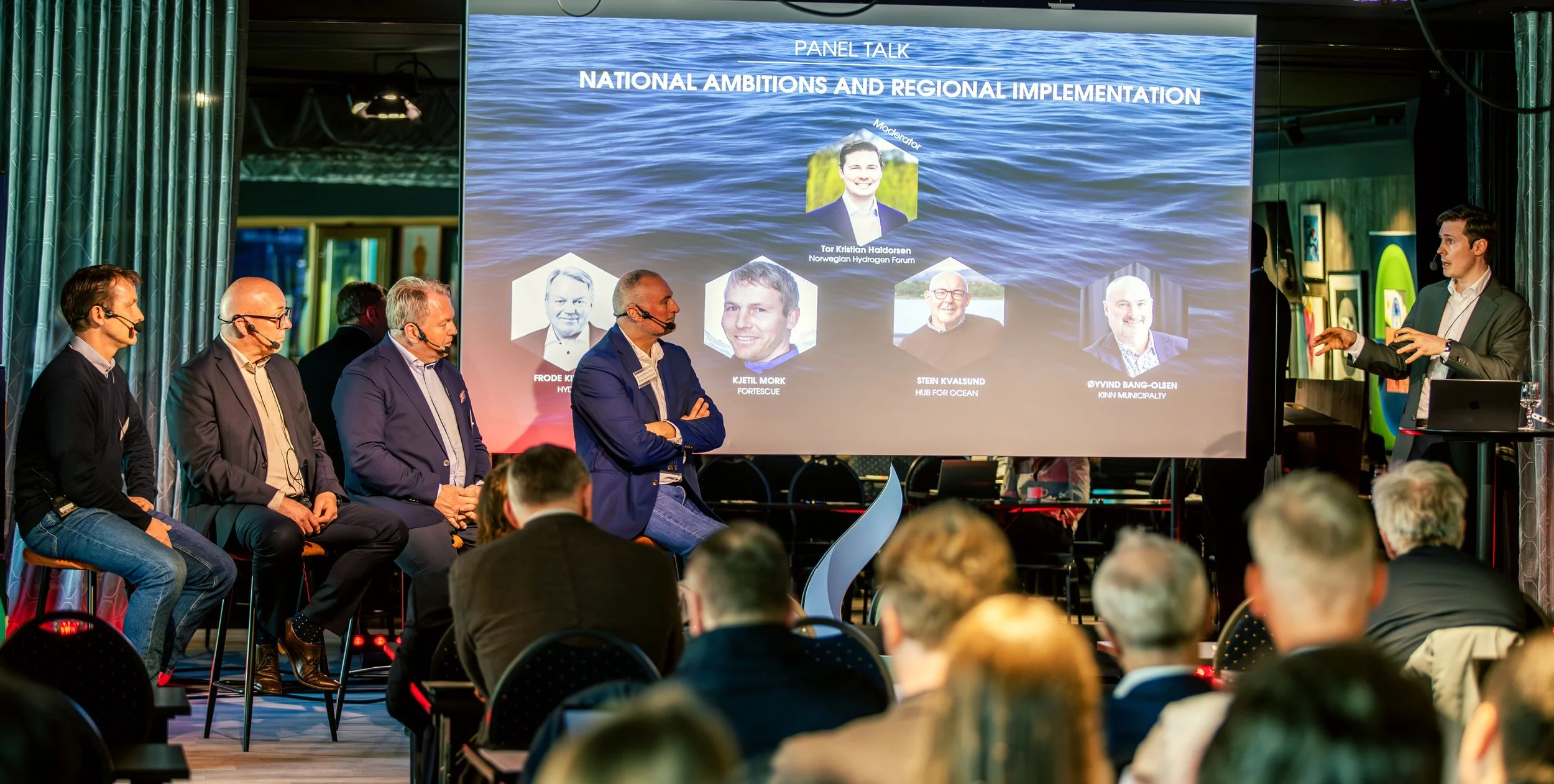
The afternoon sessions highlighted concrete industry developments. Stig Kallestad from PowerCell shared insights from the company’s journey, acknowledging both the challenges encountered and the importance of strong partnerships in maintaining a positive outlook. Josefin Klindt from eCap Marine presented their work on scaling hydrogen at sea and outlined their roadmap toward 2036.
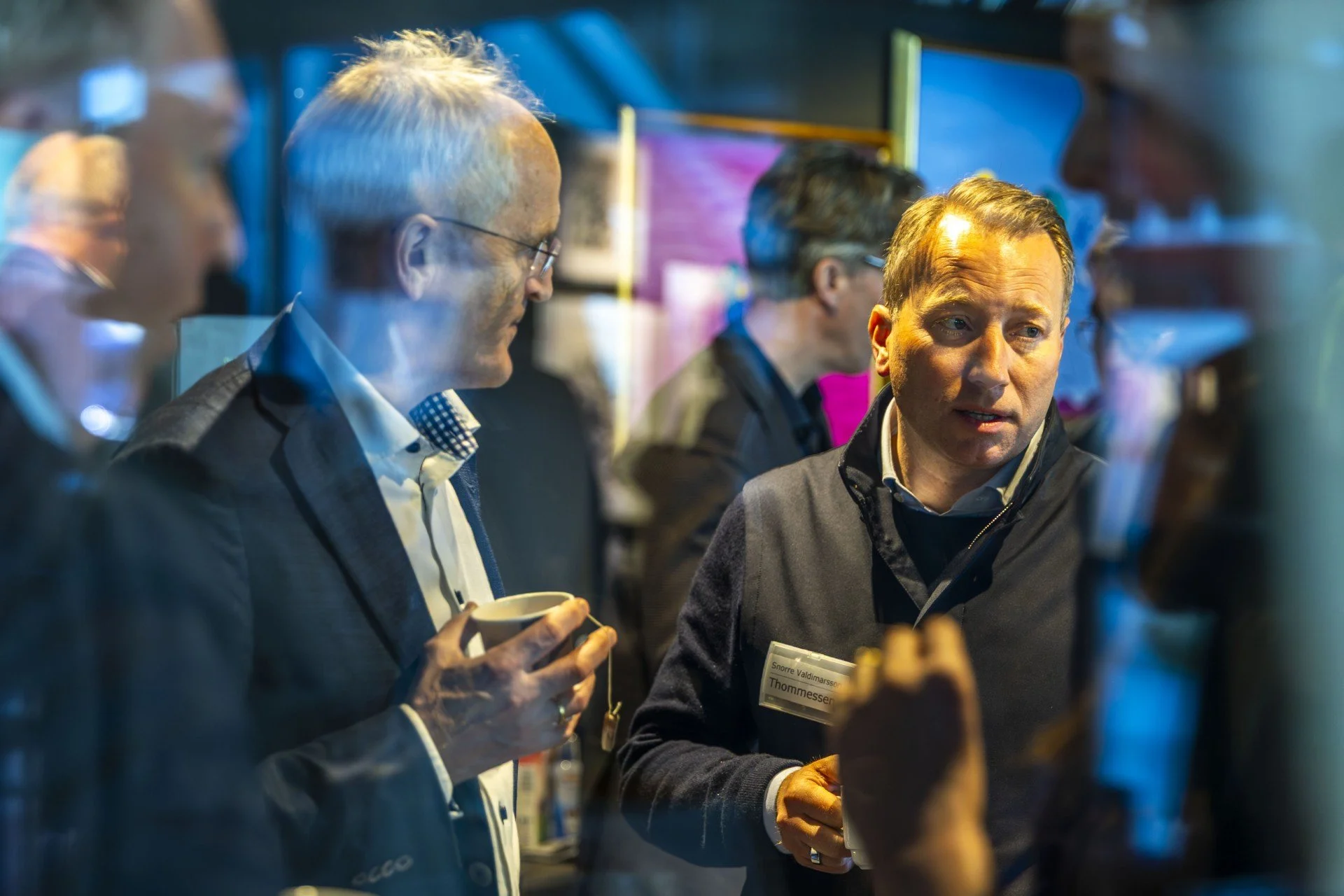
Snorre Valdimarsson from Thommessen closed the day with reflections on the long and complex process of bringing green hydrogen projects to Final Investment Decision (FID). He noted that FID is not just a financial milestone, but also a social one – and left the audience with an intriguing perspective on hydrogen’s potential role in future data centers.
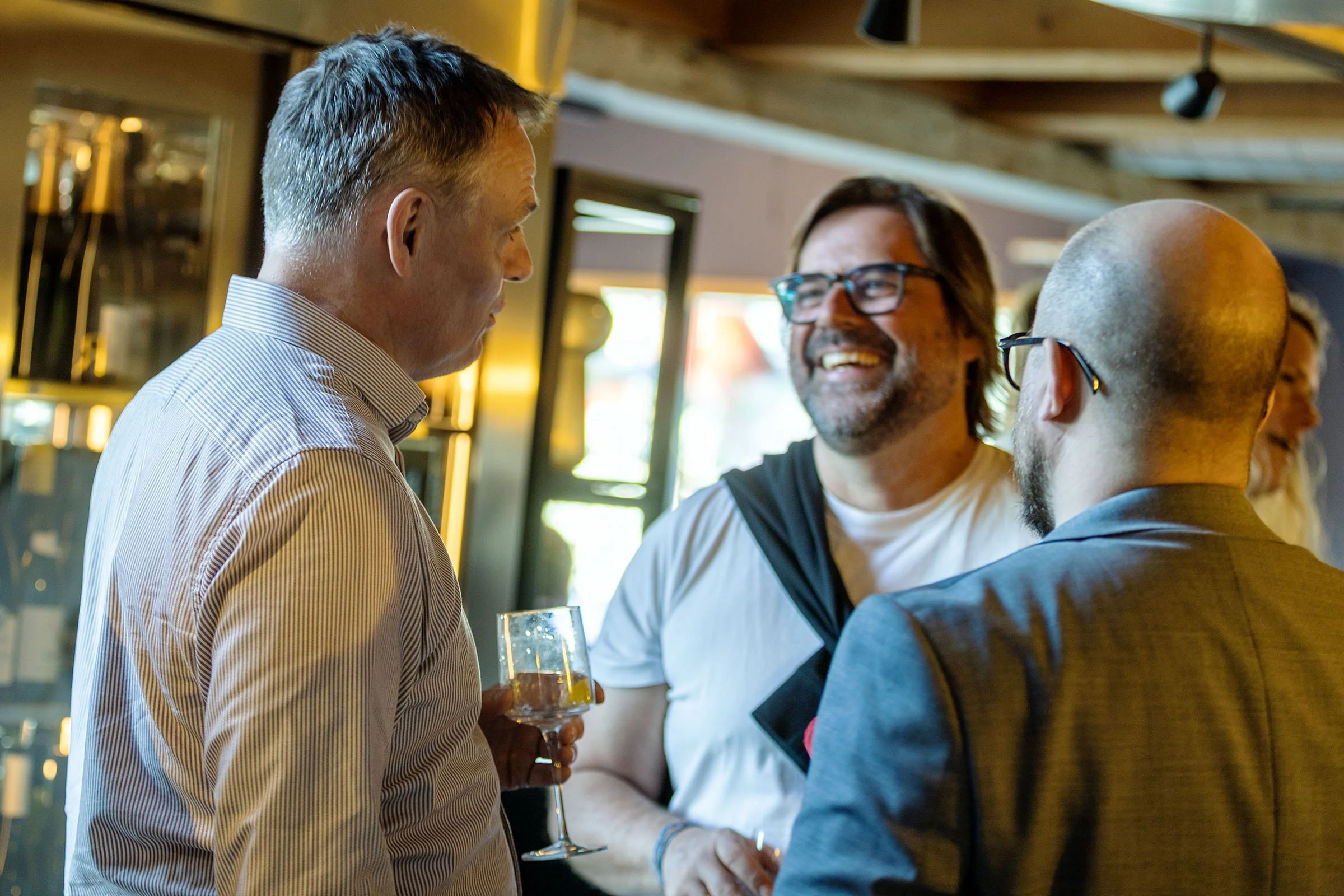
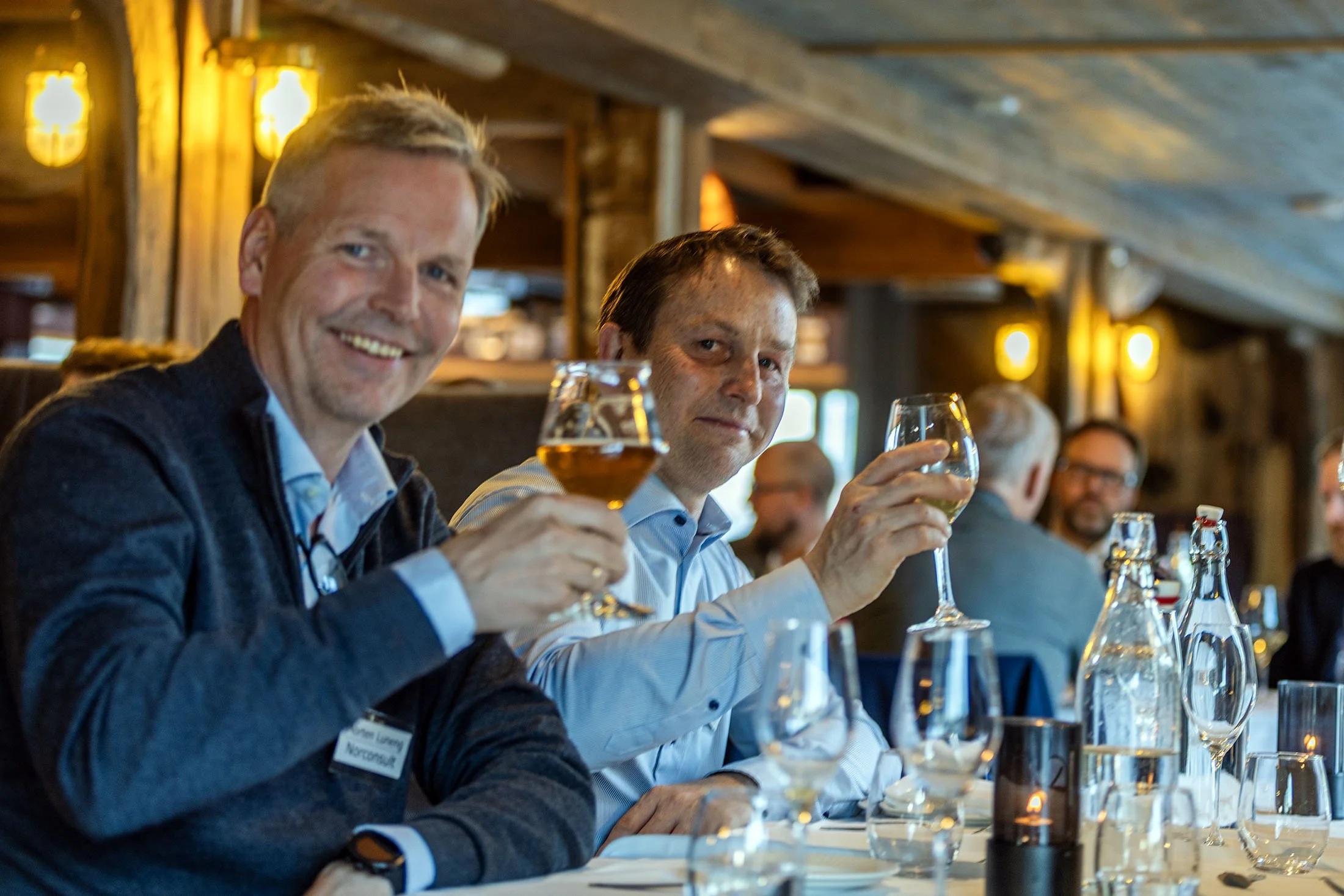
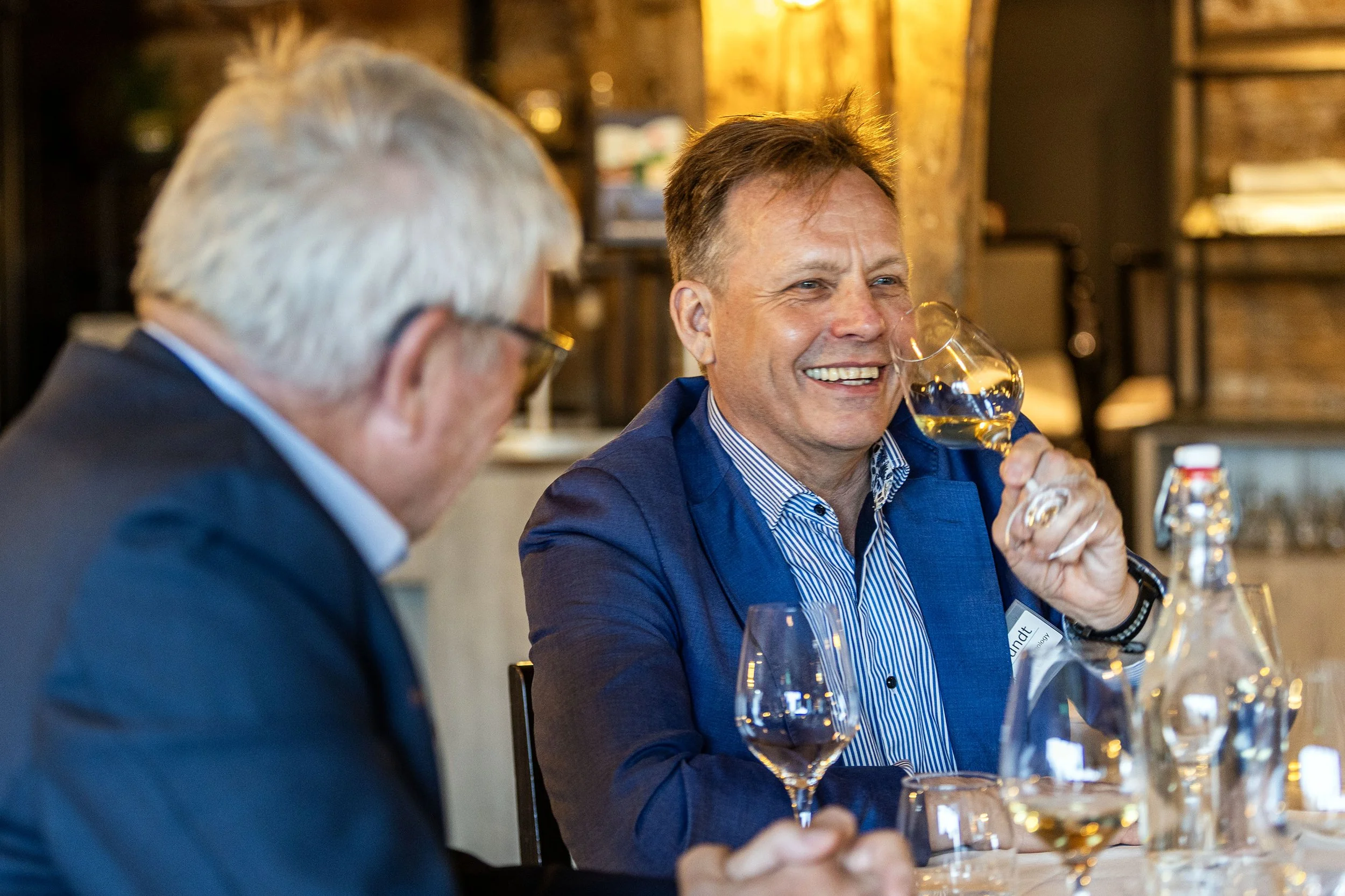
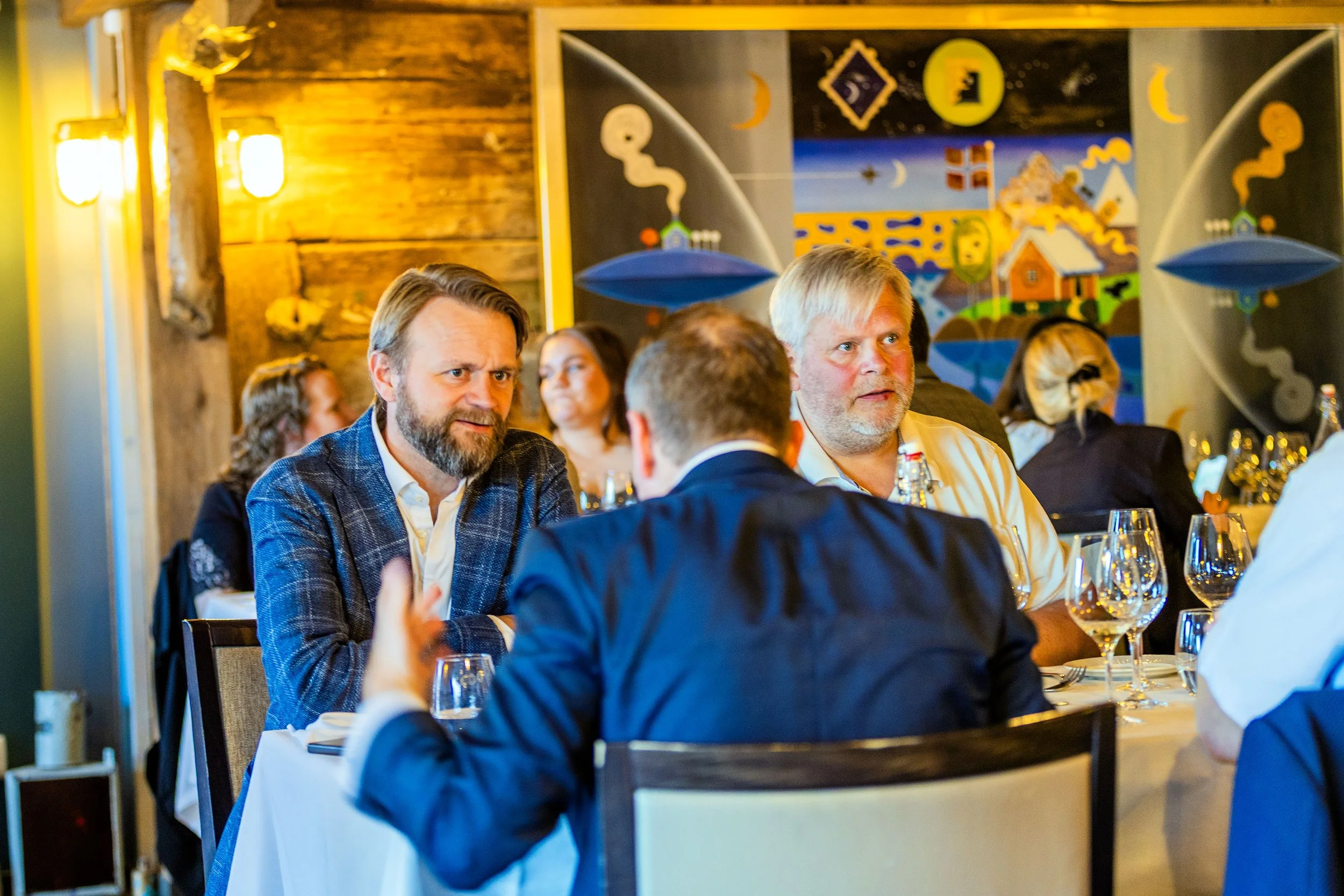
The day ended with a well-deserved social break – gin tasting, sauna and a refreshing swimming in the fjord, followed by a three-course dinner at Knutholmen, enjoyed against the backdrop of a beautiful sunset.
Technology, AI, and building the future
Day two shifted focus toward future opportunities, technology, and competence building.
Thorsten Herbert returned to present the NORHyWAY project, outlining its partners and ambition to help drive Europe’s green hydrogen future.
Rune Johan Krumsvik from the University of Bergen explored how AI-based case studies can support decision-making in the hydrogen and maritime sectors. His message was clear: AI must be trained on domain-specific knowledge to be truly valuable. In this industry, the key is to detect, predict, and recommend.
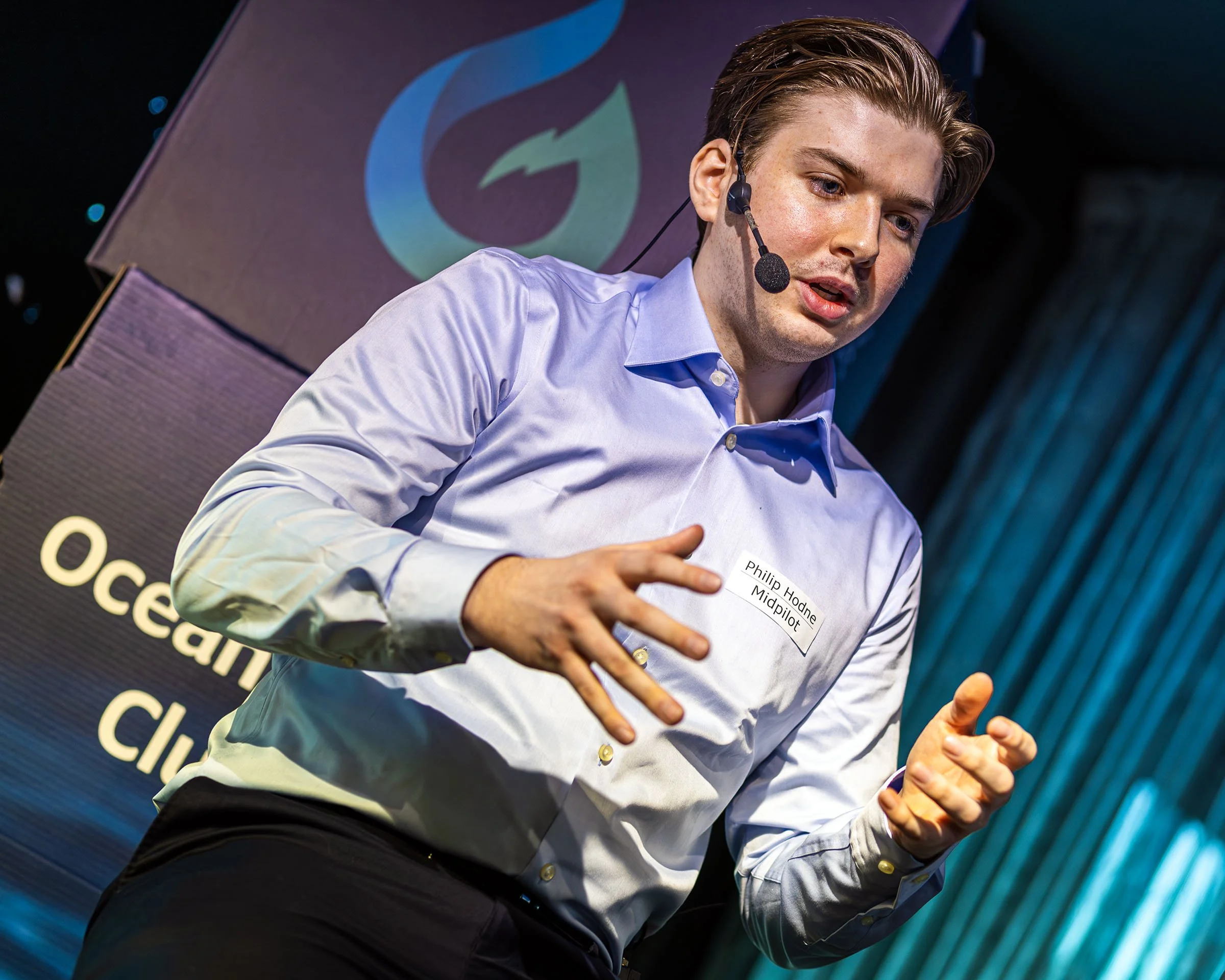
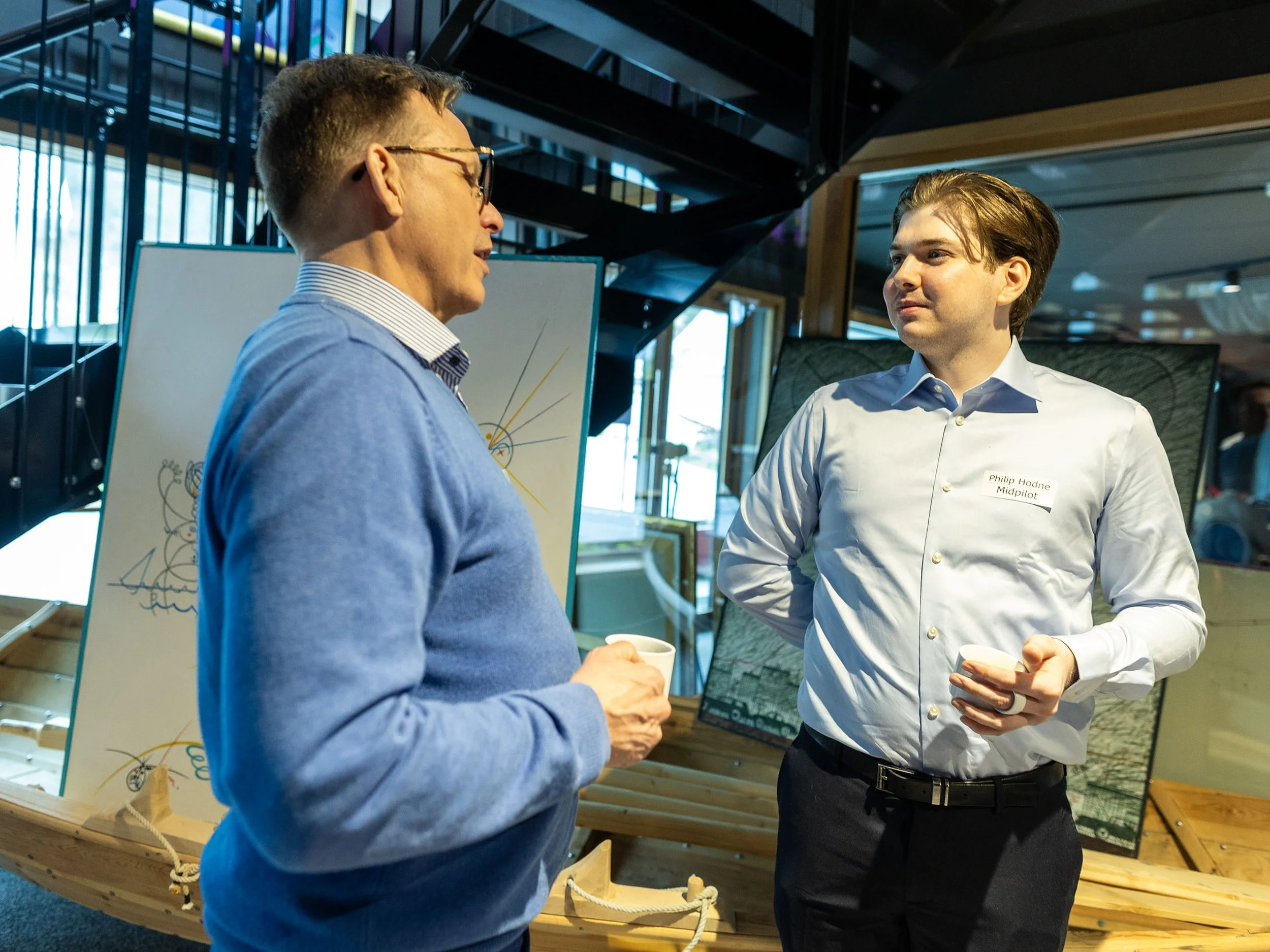
Philip Hodne from Midpilot built on this, encouraging the transition from AI assistants to AI agents, systems capable of saving weeks of work and accelerating development across the sector.
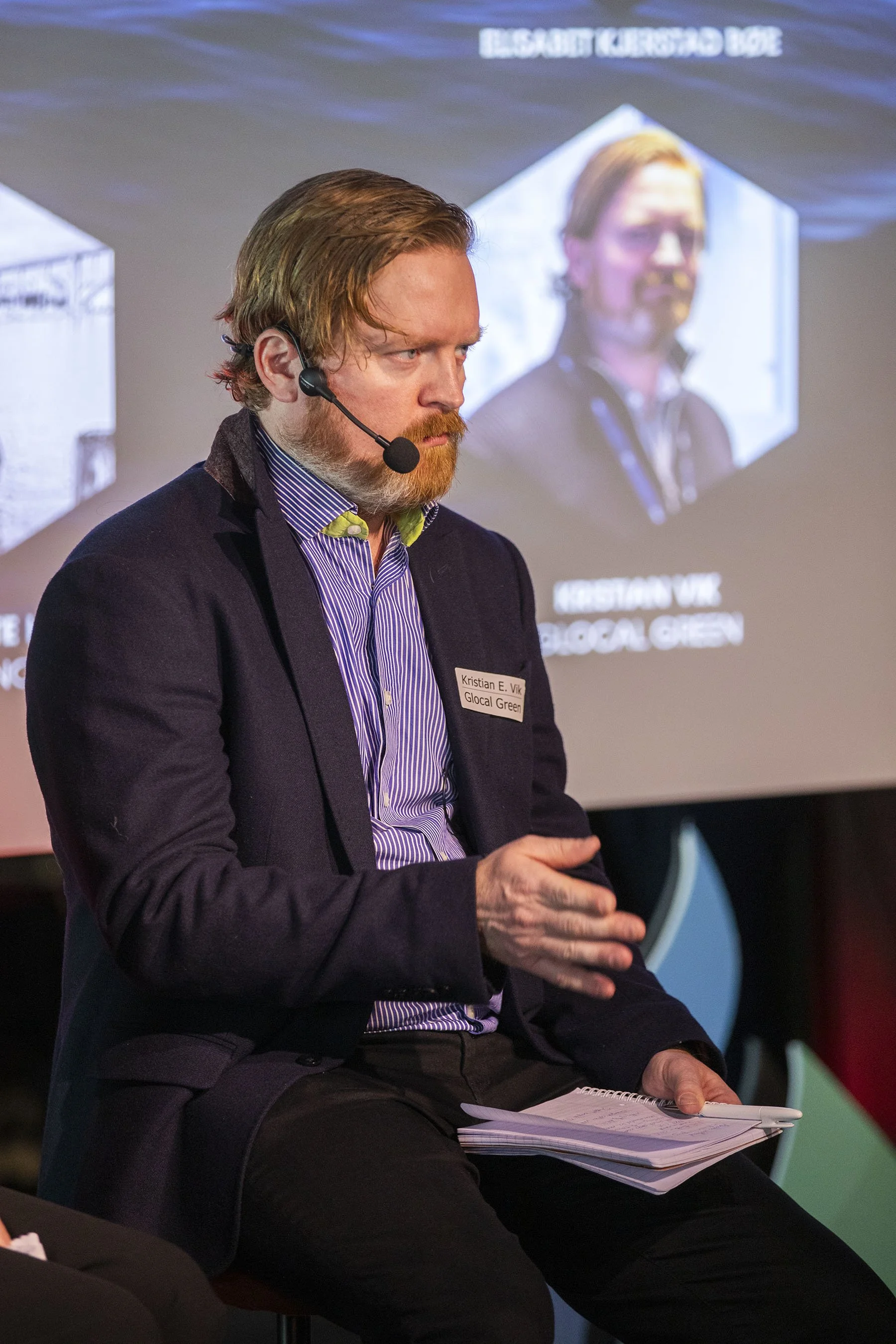
Kristian Vik from Glocal Green introduced methanol as a strong alternative fuel, highlighting its advantages as a liquid, safe, energy-dense, and cost-efficient option. He pointed to a new methanol-powered cement vessel, expected to achieve up to 80% emissions reduction when it enters operation in 2028.
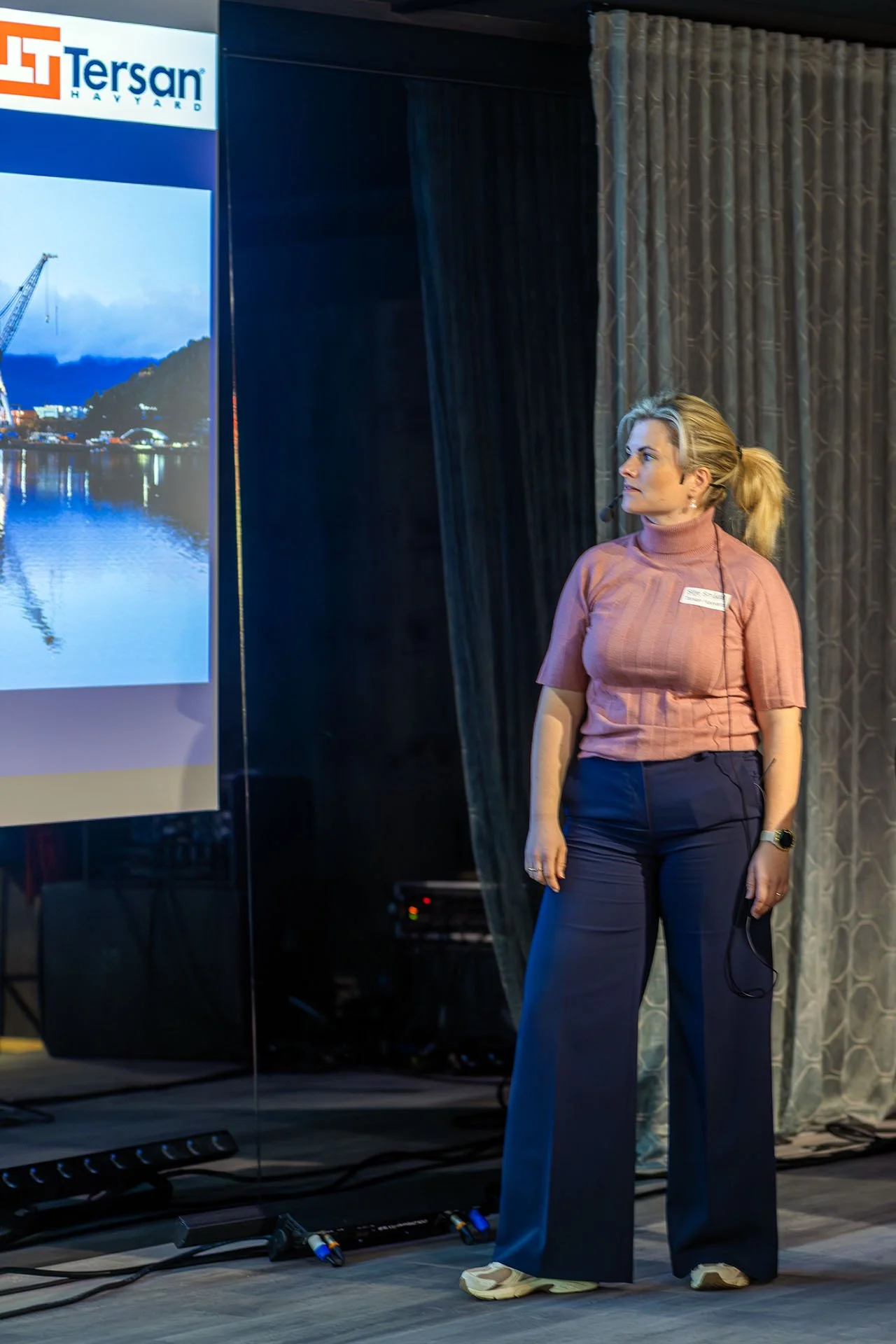
Silje Smådal from Tersan Havyard delivered an engaging presentation emphasizing the importance of early collaboration. Shipyards, she noted, must be involved at an early stage to provide accurate cost estimates and timelines. Strong collaboration between yards and industry players is essential for success.
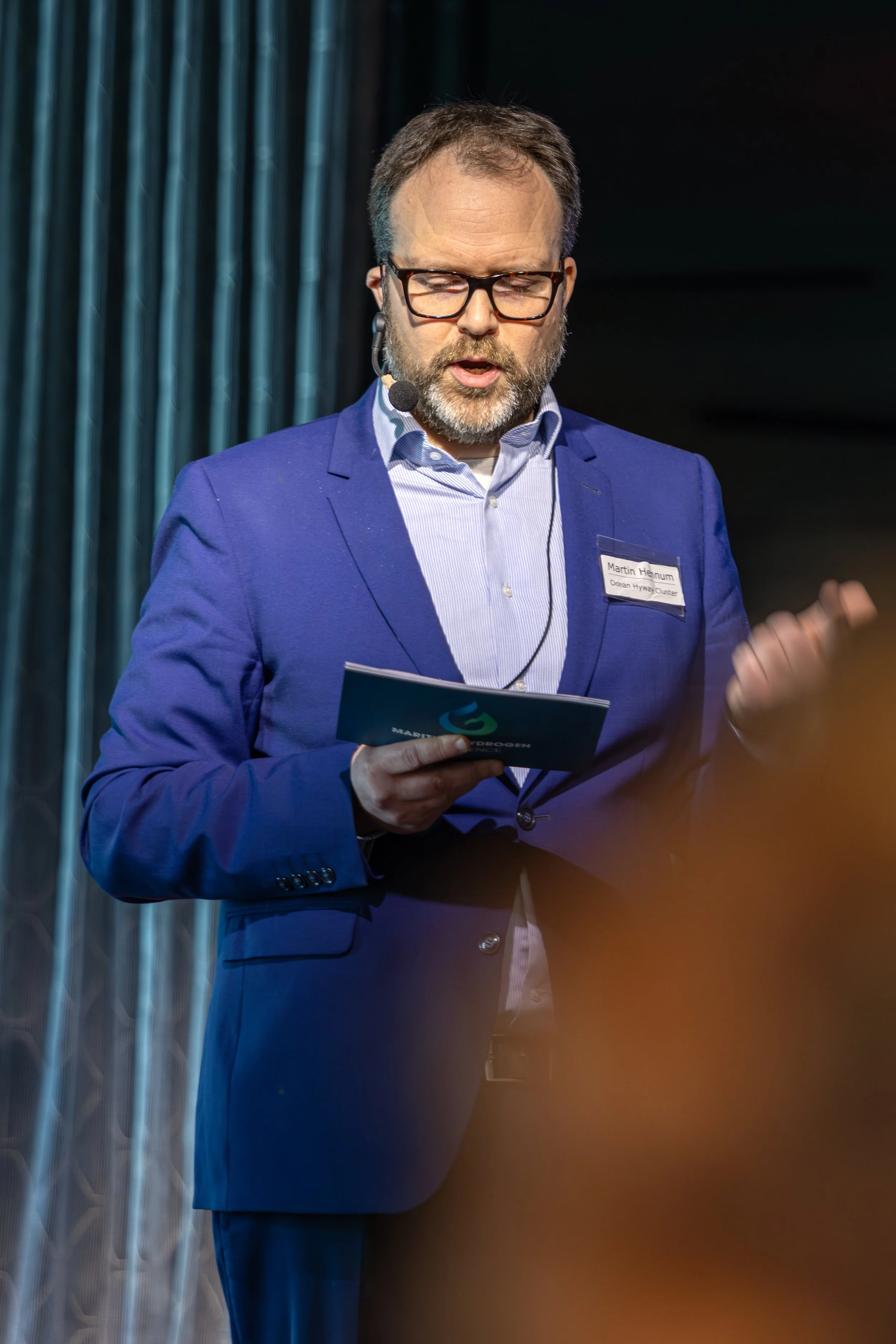
A panel discussion on the role of AI in the next decade, moderated by Martin Hennum from OHC and featuring Rune Johan Krumsvik from the University of Bergen, Philip Hodne from Midpilot, and Therese Zahl Remøy from Hexagon Purus, highlighted both opportunities and challenges. Trust remains a key issue; the industry needs to see concrete results to fully embrace AI. However, there was broad agreement that AI has the potential to significantly transform the sector if applied effectively.
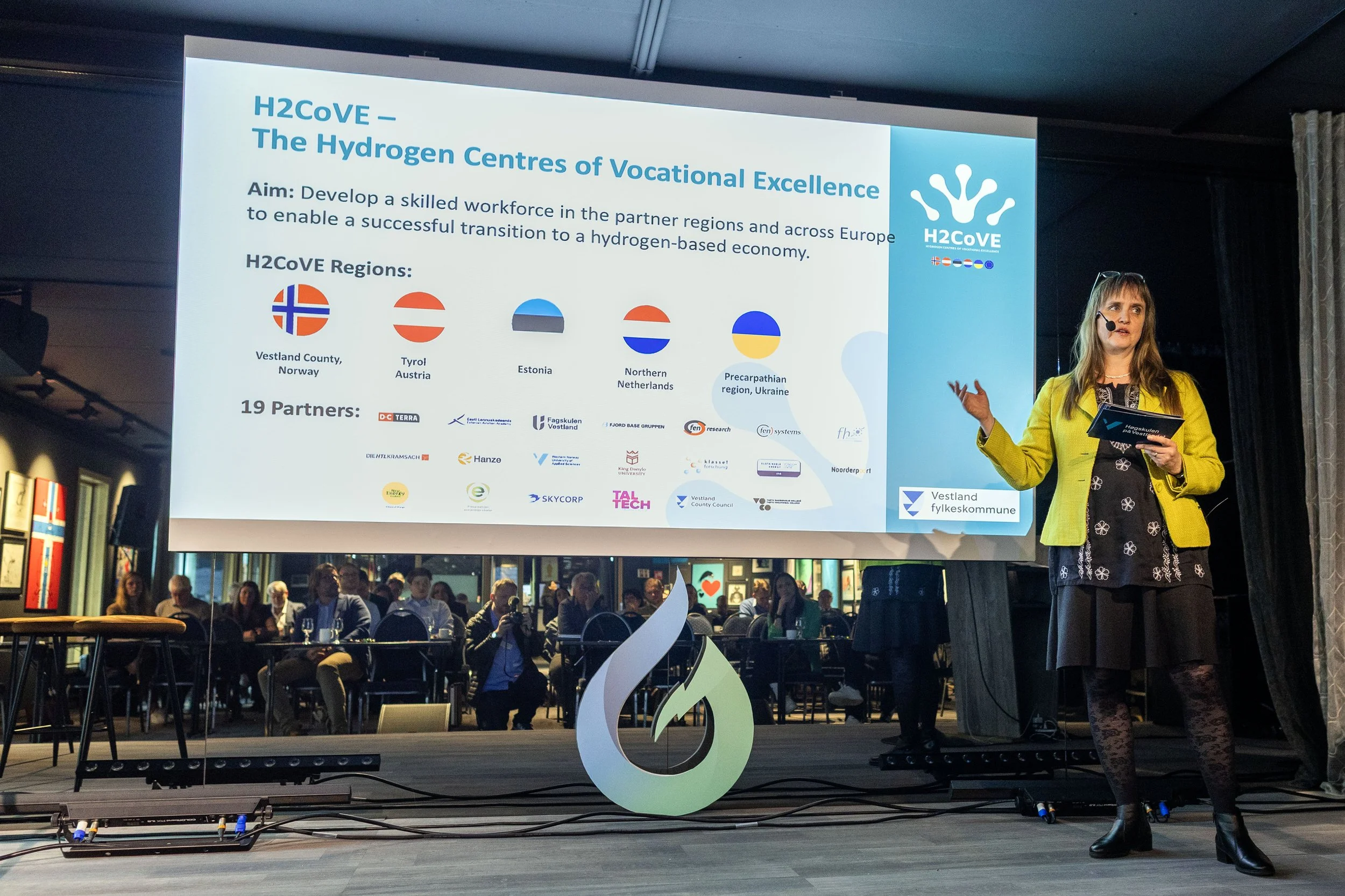
Velaug Myrseth Oltedal from HVL presented the H2CoVE project, focusing on securing hydrogen’s future through skills, training, and collaboration. The project brings together 19 partners across five regions, supported by €4 million in EU funding, to develop vocational training programs and strengthen both regional and European networks.
Marcus Ruebsam from CibusCell joined via video to explain how AI and machine learning address the complexity of the hydrogen value chain as we speak in ongoing projects. Hydrogen systems involve multiple variables and simultaneous decisions – when to produce, store, or respond to demand fluctuations. Autonomous AI systems can help optimize these processes in ways that would be difficult to achieve manually, reducing one of the main barriers – the cost of hydrogen.
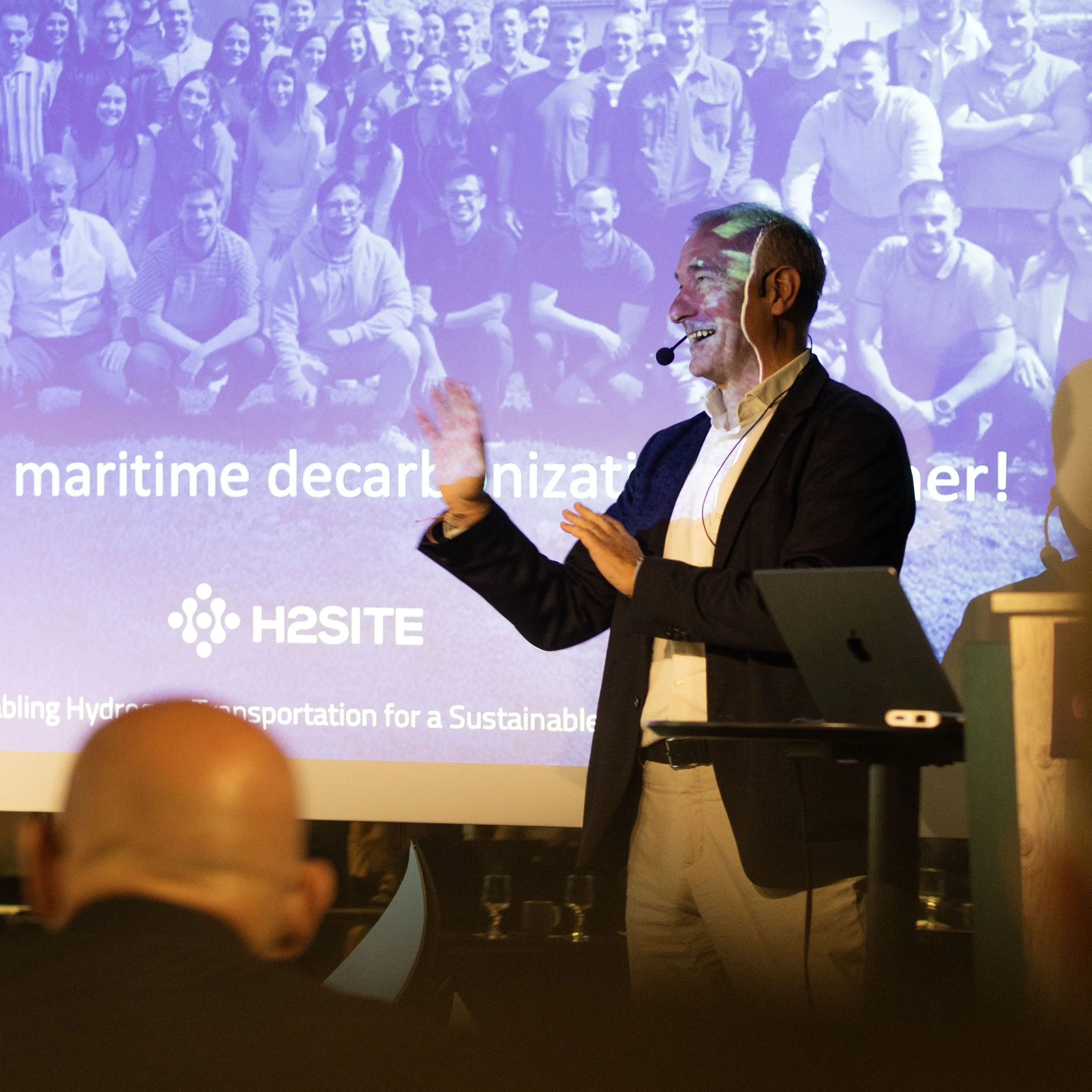
Tomas Crespo presented a practical decarbonization pathway through ammonia cracking in auxiliary systems, demonstrating how emissions can be reduced by up to 50% without modifying the main propulsion system – a promising first step toward full vessel decarbonization.
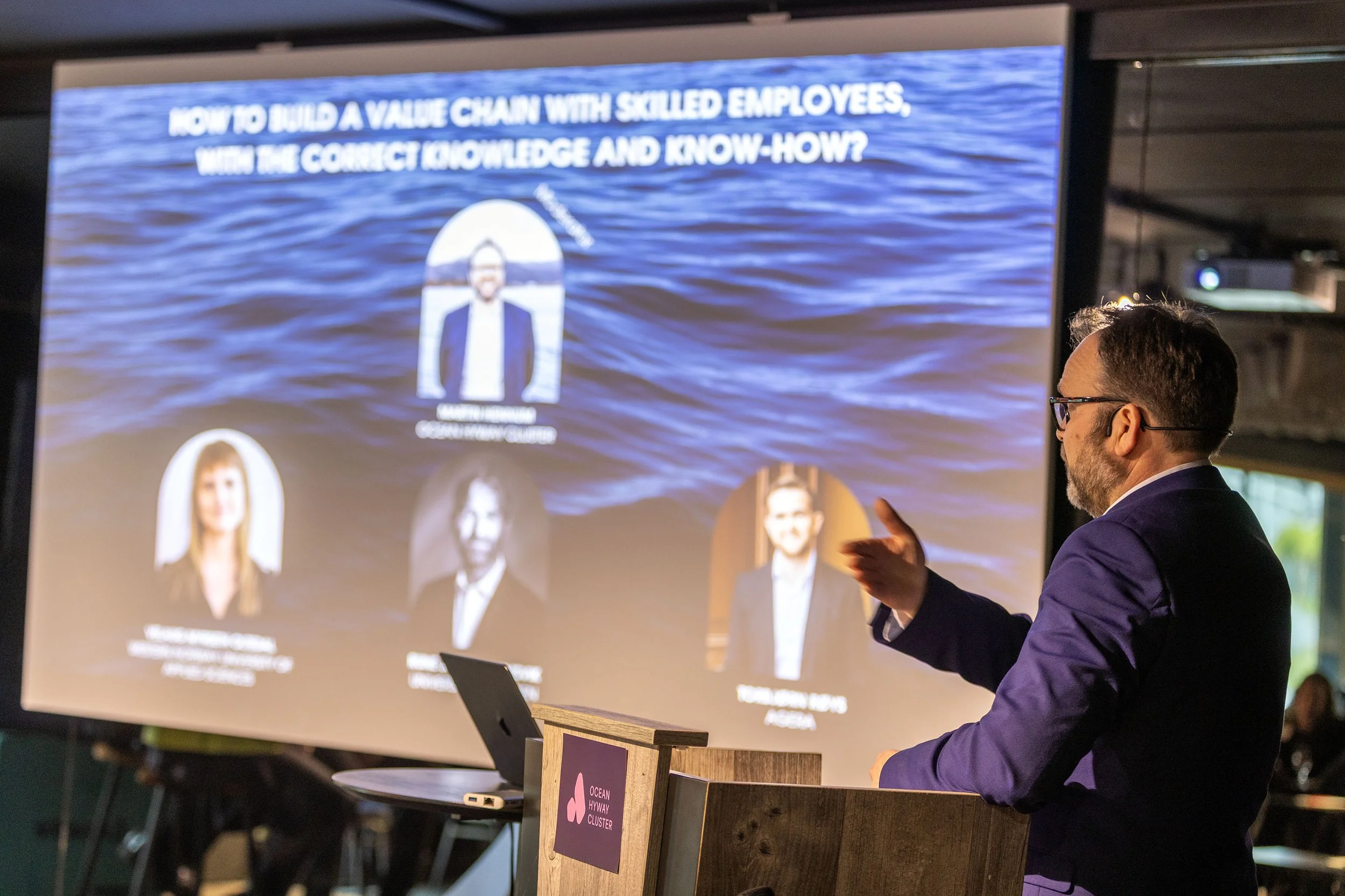
The conference concluded with a final panel discussion with Velaug Myrseth Oltedal, HVL, Rune Johan Krumsvik from the University of Bergen, and Torbjørn Røys from Agera, focusing on how to build a strong value chain supported by skilled workers with the right expertise. The importance of education, collaboration, and knowledge sharing was highlighted as critical to scaling the hydrogen economy.
Looking ahead
The Maritime Hydrogen Conference 2026 made one thing clear: the journey has not been straightforward, but progress is real. The technologies are emerging, the collaborations are strengthening, and the industry is gradually moving from vision to implementation.
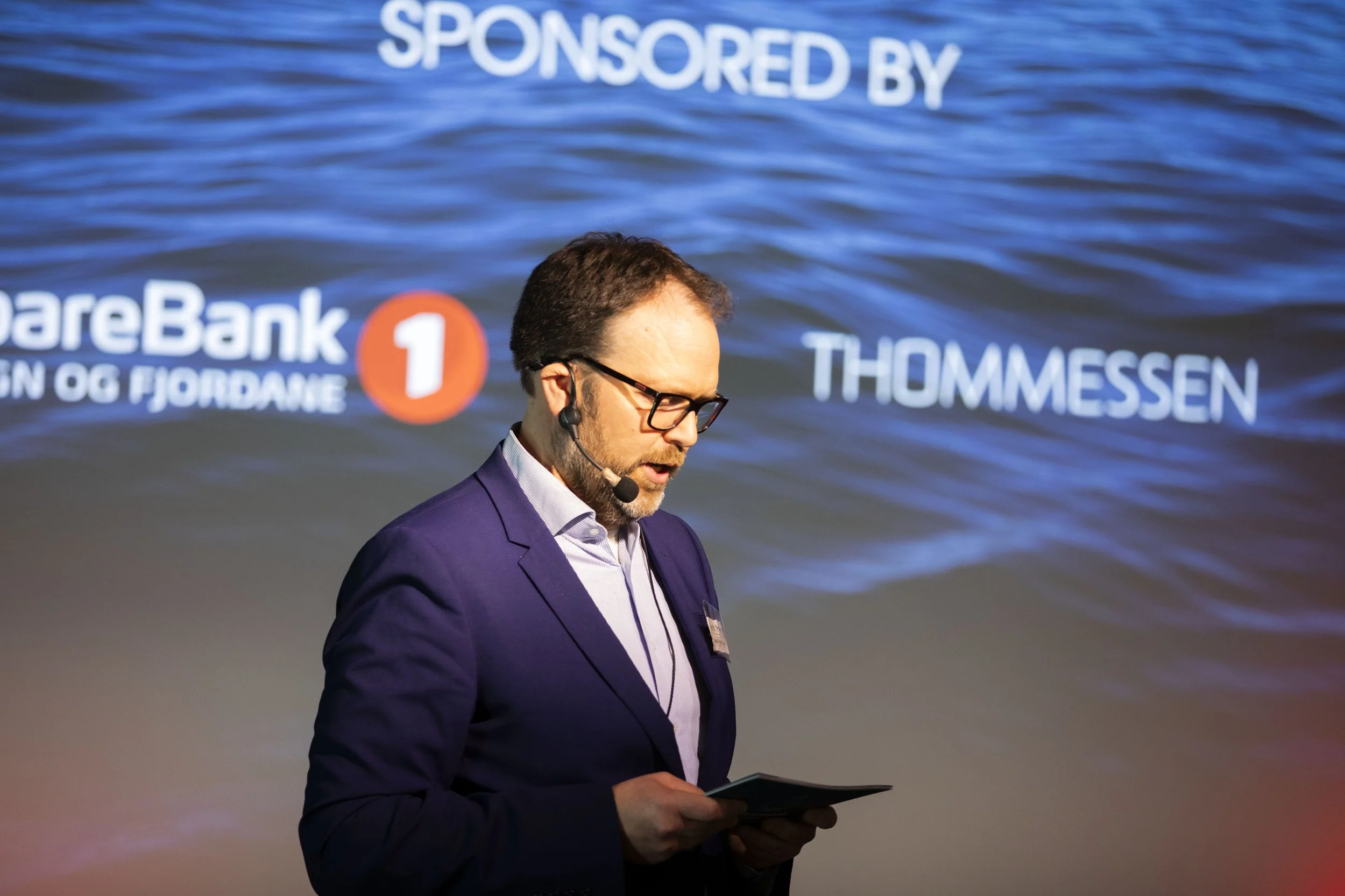
We would like to thank all our speakers and panelists, our participants, and our sponsors, Thommessen and Sparebanken Sogn og Fjordane, for making the 10th Maritime Hydrogen Conference a success!
Now, the challenge is to scale – together.