
Insights from NORWEP’s industry gathering at DNV - a snapshot of a maturing hydrogen landscape
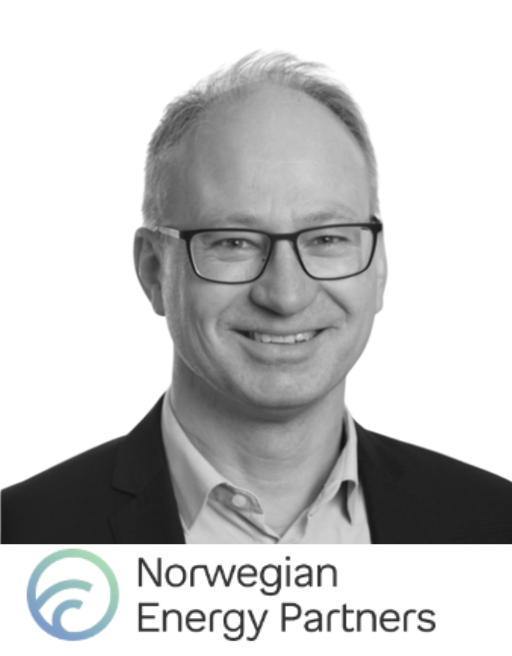
Eirik Melaaen, NORWEP.
On December 9th, Norwegian Energy Partners (NORWEP) and DNV hosted a packed industry gathering led by Eirik Melaaen. The event brought together stakeholders from across the entire value chain, offering a timely look at the global momentum within hydrogen, ammonia, CCS, LNG, and the technologies driving maritime decarbonisation. You can find the complete programme of the event here.
Our Cluster Director, Martin Hennum, attended the event on behalf of Ocean Hyway Cluster, and he highlighted several key takeaways from the day:
1. The Global Hydrogen Market – From Hype to Real Projects
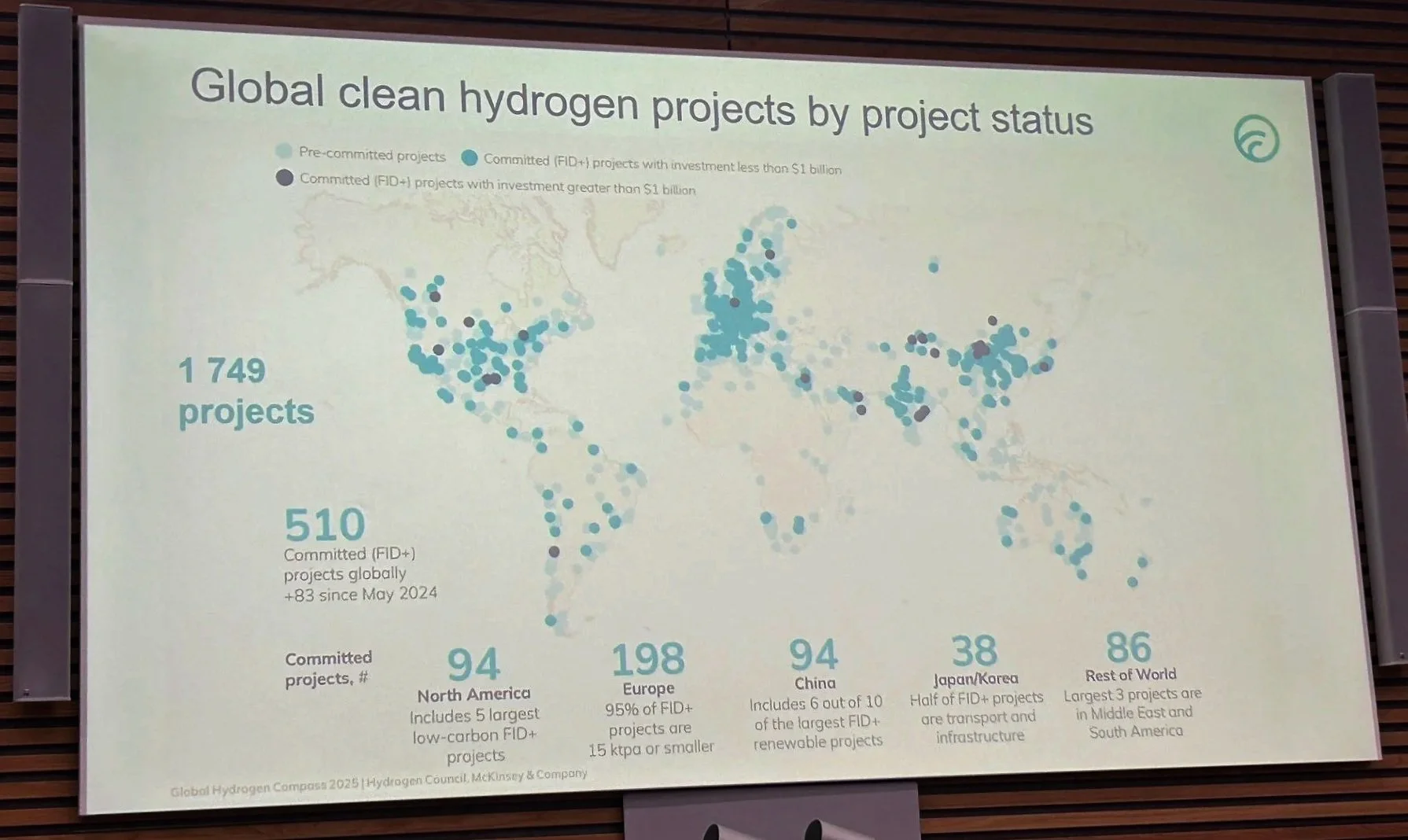
The global hydrogen sector is no longer just a collection of ambitious announcements - it’s becoming a concrete industrial reality. More than 1 700 hydrogen projects have now been identified worldwide, and over 500 of them have reached Final Investment Decision (FID), including more than 80 approvals since May last year.
Activity is spread across all major regions, with the US, Europe, China, and India leading the charge. Europe alone hosts around 200 projects, many of them smaller in scale but strategically important.
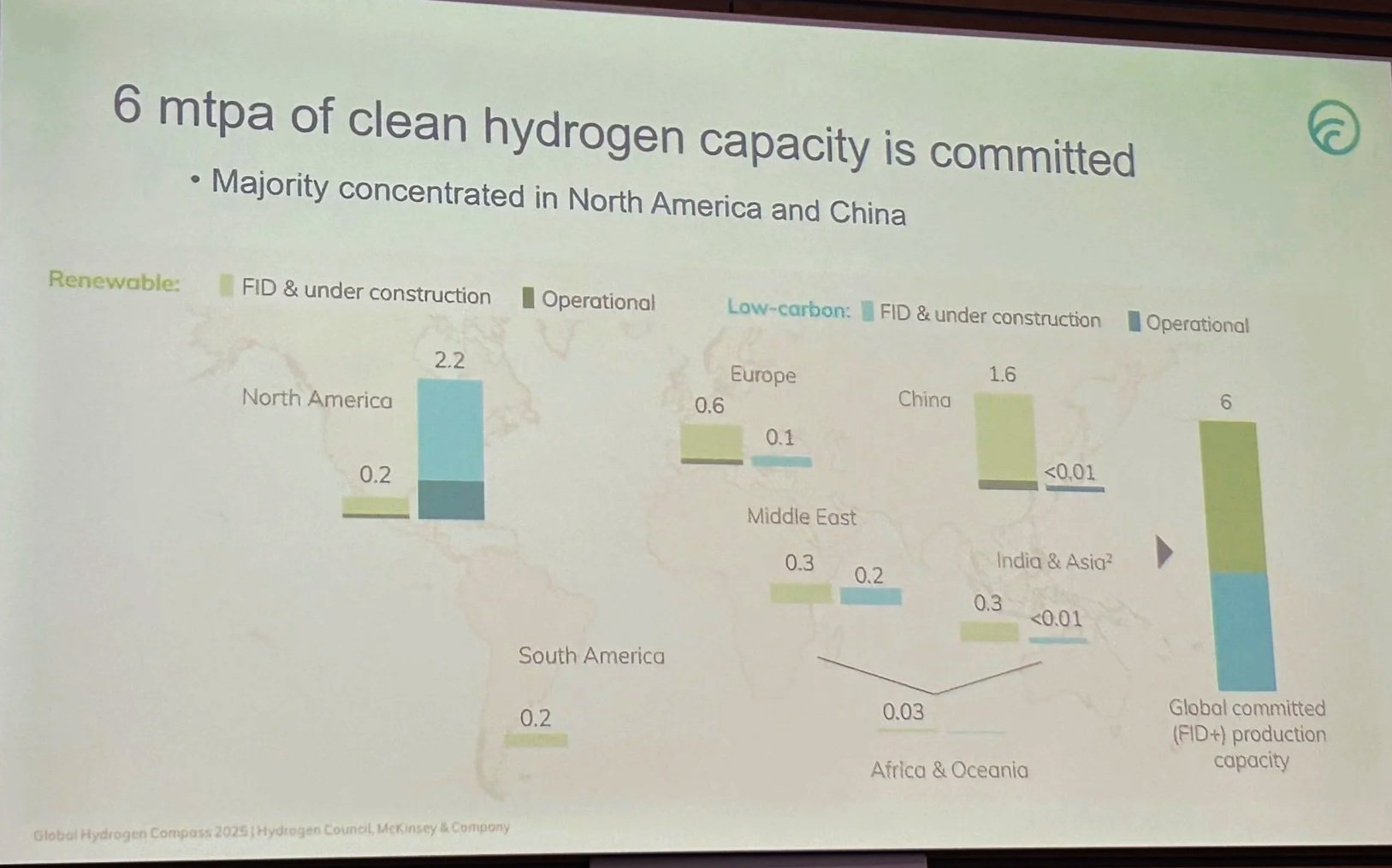
Projects that have reached FID represent a combined production capacity of 6 million tonnes of hydrogen per year. While the number of new project announcements has dropped sharply from 2022 to 2024, cancellations have also decreased. However, number of realised projects is increasing.
2. Hydrogen at Sea – Liquid Hydrogen and the Infrastructure Race
Ivan Østvik from LH2 Shipping presented the latest developments in liquid hydrogen (LH2) as a maritime fuel. LH2 is expected to play a central role in future maritime energy systems, and work is underway on both:
vessels designed to run on LH2
ships and logistics solutions for transporting LH2 globally
A recurring theme was the need for complete value chains. Maritime hydrogen adoption requires simultaneous progress in:
production
distribution and bunkering
vessels capable of using the fuel
Several small and mid‑scale Norwegian projects have already reached FID, but the industry is still waiting for the first wave of large‑scale investment decisions.
3. Ammonia as a Maritime Fuel – Technology Catching Up Fast
The session on ammonia highlighted just how quickly the technology has advanced. Speakers from SINTEF Ocean (Anders Valland) and the Amaze project (Bergen Engines) reported progress in multi-fuel engine development.
According to DNV, ammonia as a maritime fuel has seen a significant leap in maturity over the past five years:
Technology: improving rapidly
Safety: greatly enhanced
Costs: still high, but steadily declining
Industry players expressed are noting that years of systematic work within safety questions have paid off.
On the vessel side, the shift is already visible: three‑quarters of all new large container ships are now being built with multi‑fuel capability, giving owners flexibility as new fuels enter the market. Ammonia engines are now considered mature enough to perform on par with traditional diesel engines.
Industry Momentum
André Risholm from Amon Maritime shared updates on their carbon‑free shipping initiatives, including two ammonia‑powered vessels already on order. With 43 ammonia vessels now ordered globally, the market is clearly gaining traction.
Gen2 Energy presented their major hydrogen projects, including their flagship development in Nesbruk. Their portfolio has the potential to cut Norwegian maritime emissions by 20%. They emphasised the importance of location, value‑chain coordination, and securing end‑users.
International activity is also rising, with large‑scale hydrogen/ammonia projects underway in Latvia (CIES Liepaia), new ammonia vessel investments from Amon Gas, and Azane Fuel Solutions moving forward with ammonia bunkering infrastructure.
4. Market Outlook – Consolidation, Realism, and Industrialisation
The hydrogen market is entering a new phase defined by consolidation and industrialisation. While fewer new projects are being announced, the ones moving forward are of significantly higher quality.
The ammonia market is showing steady, stable progress, both technologically and commercially. With more production sites emerging globally, the outlines of a future international bunkering network for hydrogen and ammonia are becoming visible.
The transition will depend on:
predictable and fair regulations
strong collaboration across the value chain
mature technologies and scalable projects
The overall outlook is positive, with growing confidence in the future of hydrogen and ammonia for production, transport, and maritime applications.
Conclusion
The NORWEP–DNV event made one thing clear: hydrogen and ammonia have moved well beyond visionary concepts. The technologies are maturing, projects are becoming more robust, and both national and global frameworks are gradually falling into place.
There is still work ahead, especially in building complete, integrated value chains for maritime use - but the industry is undeniably shifting from ambition to implementation.
If you have any questions, please contact:
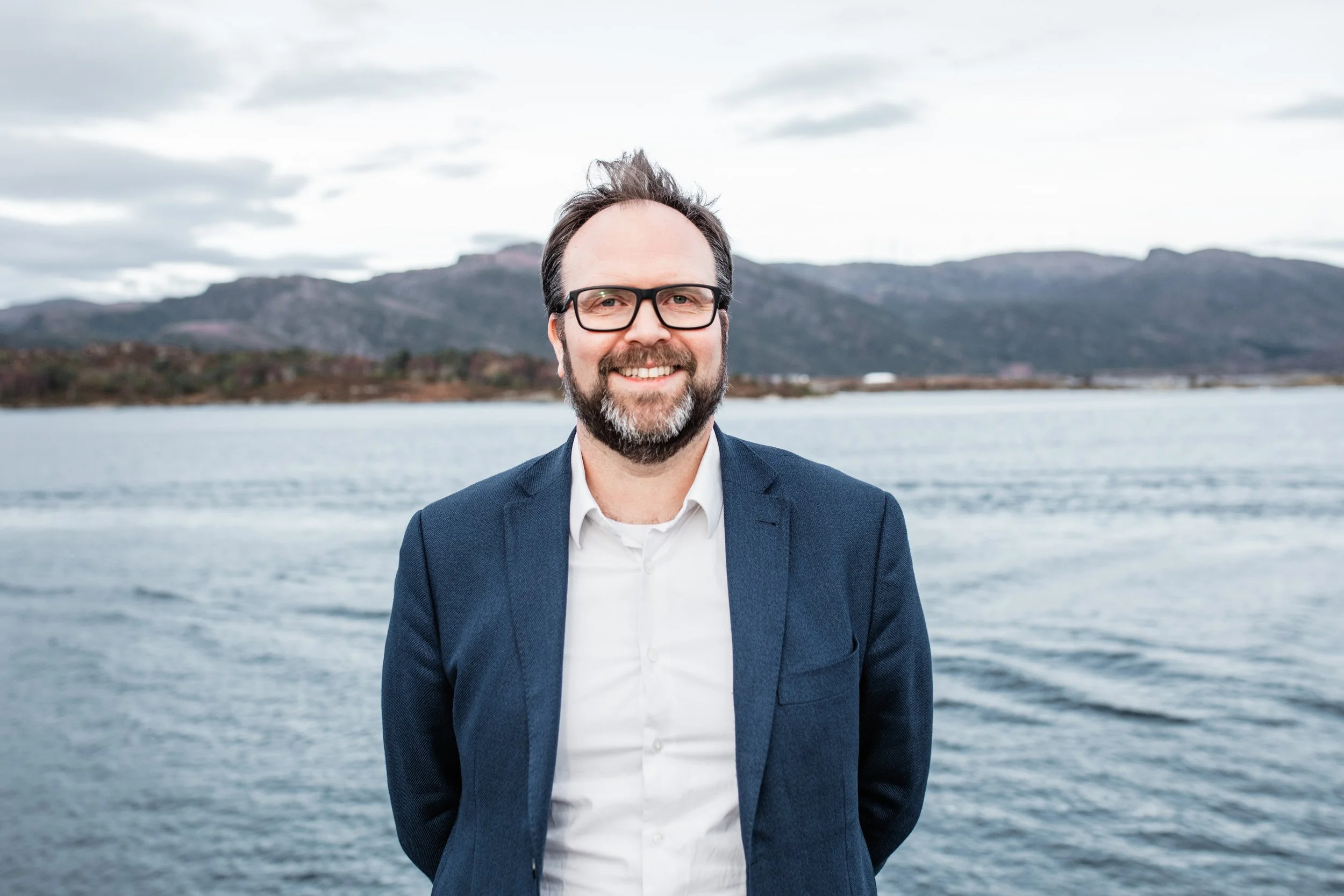
Martin Hennum
Martin Hennum, Cluster Directer OHC.